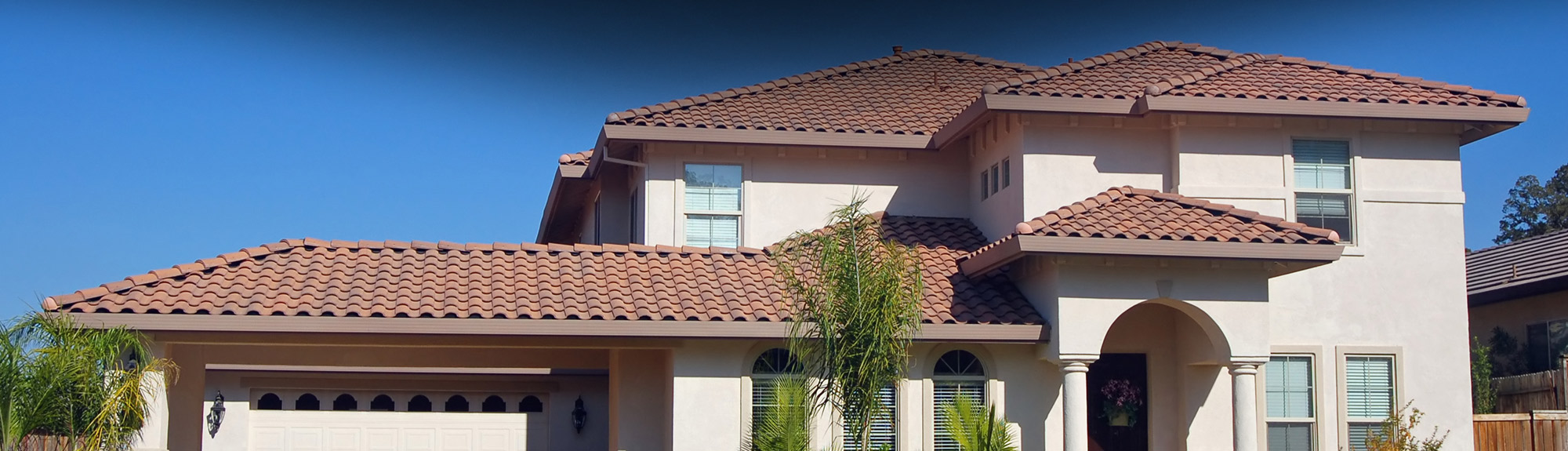
What to Know About Roof Replacement
Replacing your roof can feel overwhelming if you don’t know what to expect, so this guide covers what to know about roof replacement based on real experience from hundreds of completed projects — from spotting early warning signs and understanding timeline expectations to avoiding costly contractor mistakes.
The Real Signs You May Need a New Roof
In the field, we consistently see three warning signs that usually mean replacement — not just repair — is needed:
Missing shingles — Common after storms or high winds. Even a few missing shingles leave your roof exposed to water intrusion.
Curled or cracked shingles — This usually signals aging materials that are past their useful life. Once shingles lose their shape and flexibility, they stop shedding water properly.
Water damage inside your home — Ceiling stains, peeling paint, damp insulation, or musty smells often mean your roof has already allowed moisture in.
These symptoms rarely improve on their own. In most cases, patching becomes a temporary cycle instead of a solution.
The Cost of Waiting Too Long
One of the most memorable jobs we handled involved a homeowner with ongoing roof leaks. Rather than replacing the roof, the homeowner kept choosing patch repairs every few months. Each storm brought new leaks, and each patch bought only short-term relief.
By the time the roof was finally replaced:
- Large sections of decking had rotted
- Fascia boards needed replacement
- Interior ceilings, drywall, and insulation were damaged
What could have been a straightforward roof replacement turned into a much larger renovation project — all because small issues were allowed to grow into major damage.
This story is more common than most people realize.
Early replacement isn’t about spending money sooner — it’s about avoiding spending far more later.
What a Quality Roofing Process Looks Like
A roof replacement should be a controlled, organized process — not chaos in your driveway.
Here’s what our system involves:
- Pre-installation inspection to verify roof condition
- On-site Quality Control Manager during install
Their role is to:- Ensure installation standards are followed
- Monitor ventilation and layout accuracy
- Oversee safety and protection measures
- Answer homeowner questions in real-time
- Active job oversight throughout the day
- Final inspections and walk-throughs
This layer of quality control prevents mistakes before they ever happen — instead of discovering issues months later.
Common Installation Problems We See From Other Contractors
Unfortunately, poor roofing work is extremely common. The two biggest problem areas we encounter are:
Improper shingle installation
Shingles placed too high, misaligned, or under-fastened often blow off, leak, or prematurely fail.
Improper ventilation
Without correct attic ventilation, heat builds up, shortening shingle lifespan and trapping moisture — which leads to both decking rot and interior damage.
Many homeowners never realize these problems until years later when leaks begin — or warranties fail due to incorrect installation.
Choosing the Right Roofer (Avoid These Common Mistakes)
The two biggest errors homeowners make when selecting a contractor:
1. Not verifying past work
Photos, videos, reviews, and referrals matter. Any reputable roofer should be able to show real projects they’ve completed.
2. Choosing the cheapest quote
Roof replacement isn’t where you want to chase the lowest number. Lowest bids often cut corners on labor, ventilation, material quality, or safety — and end up costing more long-term.
What to Expect on Installation Day
A professional roofing experience should be predictable and well-managed.
Here’s what our homeowners typically experience:
- Walk-through before starting
- Early crew arrival to begin tear-off
- Protective tarping around the home, landscaping, and vulnerable areas
- Request to move vehicles and valuables away from the home perimeter
- On-site Quality Control Manager overseeing the installation
- Completion the same day in most cases
- Thorough cleanup
- Final walk-around inspection
Our goal is simple: protect your property and finish without disrupting your life more than necessary.
Timeline: Faster Than Most Homeowners Expect
Many homeowners assume roof replacement means weeks of inconvenience — but that’s rarely the case.
- Typical scheduling time: About 2 weeks from approval to installation.
- Typical installation: Most roofs are completed in a single day.
From first inspection to finished roof, the entire process is usually quick and smooth.
Understanding Warranties
There are two warranties every homeowner should understand:
Manufacturer Warranty
Covers material defects from the shingle manufacturer.
Workmanship Warranty
Covers installation quality and labor — this is where choosing the right roofer matters most.
Both warranties work together to protect your investment. If installation is done improperly, manufacturer warranties may not apply — making workmanship coverage essential.
Why Homeowners Choose Us
Homeowners consistently tell us they choose our company for:
- Clear communication from start to finish
- Strong referral network from past customers
- Hundreds of positive reviews
- Full transparency through real job photos and videos on social media
- On-site quality control that ensures work is done right
Trust doesn’t come from marketing — it comes from visible, repeatable results.
Final Thoughts
Roof replacement isn’t just about new shingles — it’s about protecting your home, your investment, and your peace of mind.
If your roof is showing signs of age or water damage, delaying action can quietly turn a simple project into a costly repair situation. Early inspections, proper ventilation, experienced installation, and transparent communication make all the difference.
And the good news?
Most of the time, replacing a roof isn’t nearly as complicated or disruptive as homeowners expect — when it’s done right.