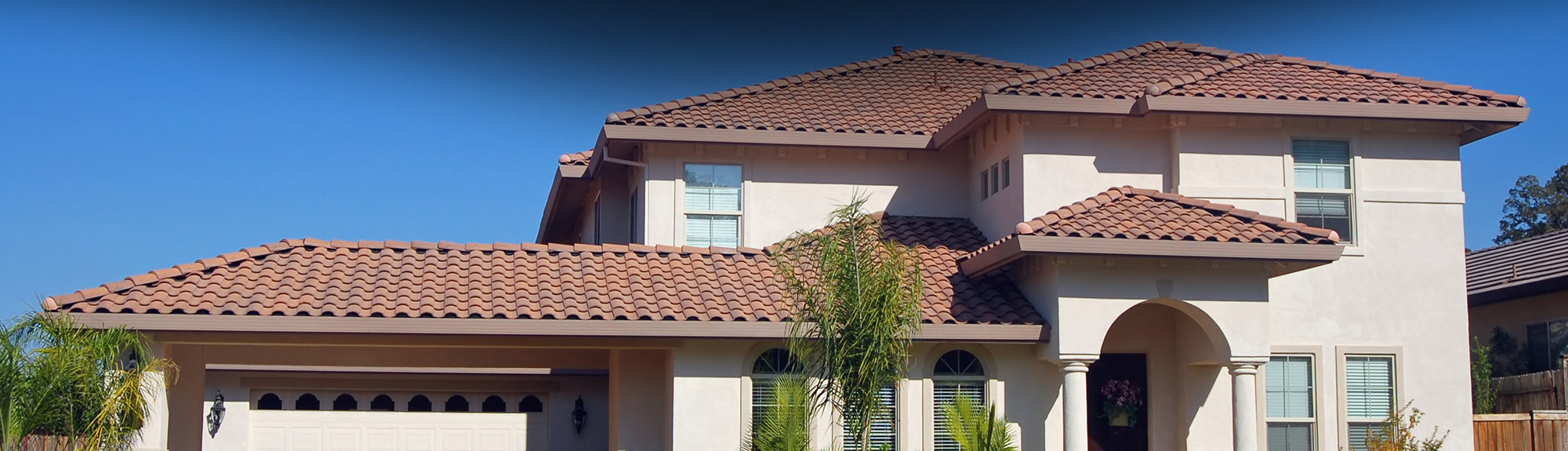
Columbus Derecho Roof Damage: Why Leaks Show Up in Winter
Columbus derecho roof damage from August 11, 2026 often looks like nothing at all from the street: a few shingles that lifted, creased and laid back down. Those creased shingles can shed summer rain and still start leaking once cold rain, ice and freeze-thaw cycles go to work on them. If your neighborhood took the brunt of that storm, a close roof inspection before winter is cheap insurance against a February ceiling stain.
Key takeaways
- On August 11, 2026, John Glenn Columbus International Airport recorded an 82 mph gust and Ohio State University Airport recorded 70 mph, according to NWS Wilmington.
- The NWS says isolated spots in the morning storm corridor reached 90 to 100 mph, and most damage came from straight-line winds, not tornadoes.
- Fifteen tornadoes were confirmed that day, including three in Franklin County: south Columbus (EF1), east of Upper Arlington (EF0) and Olde Towne East (EF1).
- Engineers at Haag Engineering report that wind-damaged shingles leave creases, folds, tears or missing pieces, and that creases on newer shingles can take hands-on inspection to find.
- Ohio has no roofing-specific storm-chaser law like Missouri’s or Wisconsin’s, so vetting a contractor is on you.
What actually hit Columbus on August 11, 2026?
Two rounds of severe storms crossed Ohio that day, and Columbus got the first one. NWS Wilmington says a line formed in central Indiana before daybreak, strengthened after sunrise and produced tornadoes around mid-morning before exiting by late morning.
That morning round did the damage most people here remember. The NWS names Upper Arlington, Hilliard, Dublin and Reynoldsburg among the hardest-hit areas, with damage focused near and just north of the I-70 corridor from east of Dayton through the Columbus metro. Flash flooding followed.
A quick note on the name. Around town, everyone calls it “the derecho.” Technically, the NWS says it was the second, afternoon line, the one that tore through southwest Ohio, that the Storm Prediction Center officially classified as a derecho. Your roof does not care about the label. An 82 mph gust is an 82 mph gust.
How does wind damage a roof without tearing shingles off?
Wind does not have to rip a shingle off to ruin it. Strong gusts lift the exposed part of a shingle, the sealant strip lets go, and the shingle bends back at the top of the exposed section before dropping into place.
That bend is a crease, and it is the injury that matters. In a study published in RCI Interface in 2018, Haag Engineering researchers found that any sealed-down shingle affected by wind leaves lasting evidence: creases, folds, tears or missing pieces. Once a tab is lifted, more surface is exposed, the uplift force increases, and the shingle tends to flip, crease or tear. Failures are most likely at eaves, hips and ridges.
The part homeowners miss: on newer, more flexible shingles, those creases can require very close inspection and lifting the shingle by hand to find. They do not show up in a photo from the yard.
Why do derecho-damaged roofs start leaking in winter?
Because winter is when water gets more ways in. A creased shingle has a weakened line across it, and a shingle that is no longer sealed down can lift again in the next wind and let rain blow underneath.
Summer storms come and go fast. Winter brings long, cold rains, snow that melts slowly, and freeze-thaw cycles where water seeps into a gap, freezes, expands and widens it. A crease that held through September can crack through by January. Then the first sign is a stain on the ceiling, which means the decking under it has been wet for a while.
How can you spot wind damage from the August storm?
Start with what you can see safely from the ground, then let a roofer handle the rest.
| What to check | What it can look like | What it may mean |
|---|---|---|
| Shingles along eaves, ridges and hips | Missing pieces, torn edges, uneven lines | Wind uplift where it hits hardest |
| Yard and gutters | Shingle fragments, nails, ridge cap pieces | Pieces carried downwind from the roof |
| Shingle rows seen from an angle | Tabs that sit slightly raised or wavy | Unsealed or creased shingles |
| Attic, after a rain | Damp decking, daylight at nail lines, stains | Water is already getting past the shingles |
| Ceilings and upper walls | New stains, bubbling paint | An active leak that needs attention now |
Be fair about what you find, too. The same Haag research says a shingle that is simply unsealed, with no crease, fold or tear, is not evidence of wind damage by itself. Shingles tend to stay sealed for the first four to five years, and unsealing can come from sealant strip failure or installation problems. Unsealing in a diagonal or racked pattern points away from wind.
That is why the inspection needs someone who will lift shingles, check each slope and compare the pattern to the wind direction during the storm, rather than snapping three photos and leaving.
Does Ohio have a storm-chaser law for roofers?
No. Ohio does not have a roofing-specific contractor law of the kind Missouri, Wisconsin and other states passed to rein in storm chasers. The Ohio Insurance Agents Association has written that Ohio lags behind many states on this.
There have been attempts. Senate Bill 77 in the 135th General Assembly would have regulated roofing contractor practices and contracts, but it was never passed out of committee. In 2026, House Bill 769 proposed written roofing contracts, a three-day cancellation period, limits on excessive deposits, and bans on advertising deductible waivers or acting as an insurance adjuster. According to an Ohio House release dated May 26, 2026, it had sponsor testimony before the House Commerce and Labor Committee and was awaiting further consideration.
This is a plain-English summary, not legal advice; your policy and an attorney or the Ohio Department of Insurance have the final word.
How do you vet a roofer when the state does not?
Do the checking a law would otherwise force. After a storm like August 11, trucks with out-of-state plates show up fast, and some leave just as fast when there is a warranty call.
- Get a written contract with scope, materials, price, payment schedule and start date.
- Ask for proof of insurance and call the insurer to confirm it is active.
- Ask for a local address and local references you can drive past.
- Do not hand over a large deposit to someone you met at your door this week.
- Walk away from anyone who offers to “take care of” your deductible or promises your claim will be approved.
- Keep the claim yours. A roofer can inspect, photograph damage, write an estimate and be there when the adjuster comes. The claim conversation is between you and your insurer.
Our guide on how to verify a roofer’s license and insurance walks through the checks, and the red flags in a roofing contract are worth five minutes before you sign anything.
What should Columbus homeowners do before winter?
Get the roof looked at while the weather still allows a clean repair. Shingle sealant strips need warmth to bond, so fall repairs tend to go better than January ones.
- Look for missing pieces, debris and raised tabs from the ground.
- Check the attic after the next rain.
- Book an inspection that includes lifting shingles on every slope, with photos.
- If there is damage, read your policy’s notice requirements and call your insurer with August 11, 2026 as the date of loss.
Brazen has completed 4,387 roofs since 2021 across 12 markets, and installs are done by subcontractor crews checked by Brazen’s own quality-control inspectors. You can book a free roofing inspection, or visit our Columbus roofing page to see how we handle storm damage claims documentation in Columbus.
Frequently asked questions
NWS Wilmington recorded an 82 mph gust at John Glenn Columbus International Airport and 70 mph at Ohio State University Airport during the morning storms. The NWS also says isolated areas in the morning corridor reached 90 to 100 mph. Most of the damage came from straight-line winds rather than the short-lived tornadoes.
Locally it gets called the derecho, but the NWS says the Storm Prediction Center classified the second, afternoon line as the derecho. That line mainly hit southwest Ohio. The morning line that hit Columbus still produced an 82 mph gust at the airport and several tornadoes, so the roof damage is just as real either way.
A creased shingle has a horizontal bend or fold line across it, usually near the top of the exposed section, where wind lifted it and bent it back. On newer, flexible shingles the crease can be faint. Haag Engineering researchers note it may take close inspection and lifting the shingle by hand to find.
Not by itself. Haag Engineering research found that an unsealed shingle without a crease, fold, tear or missing piece is not evidence of wind damage on its own. Unsealing can come from aging sealant, installation problems or debris in the sealant strip. A good inspector looks at the pattern across each slope and the storm’s wind direction.
A creased or unsealed shingle can shed light summer rain but fail when winter brings long cold rains, wind-driven water and freeze-thaw cycles. Water works into the weak spot, freezes, expands and widens it. By the time a ceiling stain appears, the decking underneath has usually been wet for some time.
Ohio does not have a roofing-specific storm-chaser law. Senate Bill 77 from 2023 never passed out of committee. House Bill 769, proposed in 2026, would require written contracts and a three-day cancellation period, and as of a May 26, 2026 Ohio House release it was awaiting further committee consideration.
A roofer can inspect the roof, photograph damage, write a repair estimate and be present when the adjuster inspects. The claim itself is between you and your insurance company. Be cautious of any contractor who promises an approved claim or offers to cover your deductible, whether or not your state has a law against it.
Sources
- National Weather Service Wilmington: August 11, 2026 Severe Weather and Tornadoes
- IIBEC / RCI Interface: Misconceptions of Wind Damage to Asphalt Composition Shingles (Jan. 2018)
- Ohio House: Reps. Kishman, Craig deliver sponsor testimony on HB 769 (May 26, 2026)
- Ohio Insurance Agents Association: Lagging Behind, the case for legislation to combat storm scammers (2025)
- Ohio Legislature: Senate Bill 77, 135th General Assembly