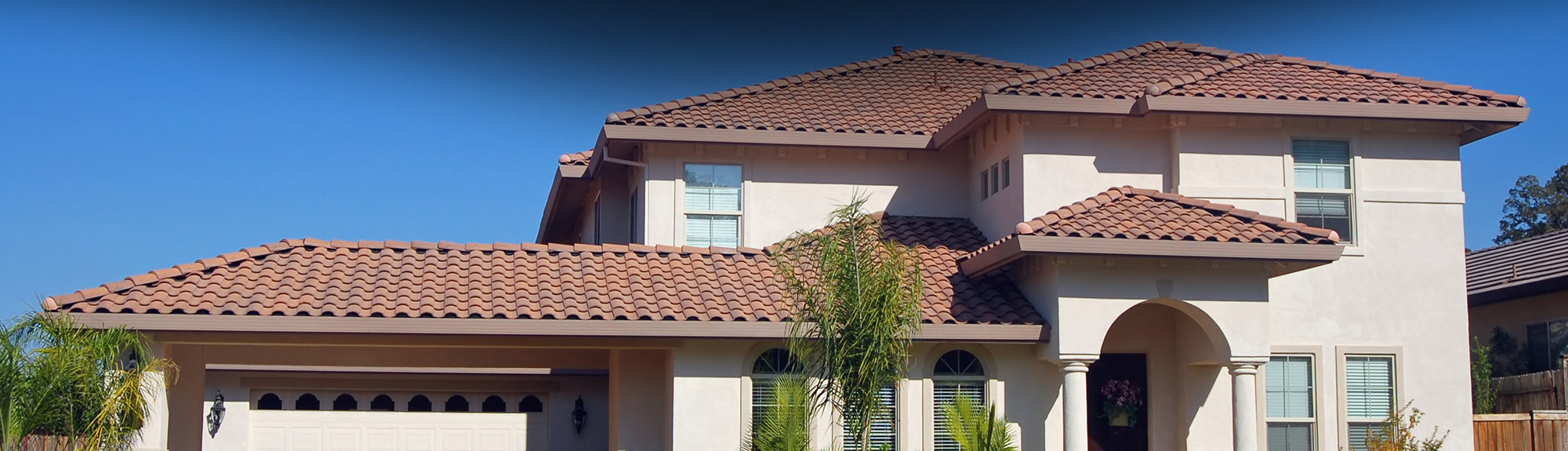
Does a New Roof Add Resale Value?
The honest answer is that a new roof usually does not return its full cost at sale. It also usually costs you less than leaving an old one in place. Both of those are true, and the apparent contradiction is where the useful thinking sits.
A roof is not an upgrade in the way a kitchen is. It is an expected component. Buyers do not pay a premium for a working roof; they discount for a failing one, and the discount is usually larger than the repair.
How the three parties actually treat it
Buyers
A buyer does not value your new roof at what you paid. They value not having to deal with it: and that value is asymmetric. A roof with twenty years left removes an objection. A roof with two years left creates one, and the negotiation that follows tends to cost more than the roof would have.
The reason is risk. A buyer facing an unknown future expense prices in the worst plausible case, not the likely one, and often on the advice of someone who has never seen your roof.
Appraisers
Appraisals are driven mainly by comparable sales, and a new roof does not typically generate a line-item addition. What roof condition does affect is whether the property appraises as being in average or below-average condition, and that can shift the number materially.
There is also a financing dimension worth knowing about. Certain loan types require the property to meet minimum condition standards, and a roof at the end of its life can cause an appraisal to be conditioned on repair. At that point the roof stops being a negotiating point and becomes a requirement before the sale can close at all, usually on a timeline, which is the worst position from which to buy a roof.
Home inspectors
The inspector is where roof condition enters the transaction in writing. Inspection reports describe remaining life, note deficiencies, and recommend evaluation by a specialist. That language, however measured, becomes the basis of a credit request.
An inspector will flag things a buyer would never notice: missing kickout flashing, absent drip edge, reused chimney flashing, inadequate ventilation. None of those requires a new roof, and all of them turn into questions.
When replacing before sale makes sense
- The roof is genuinely at or near the end of its life. This is the clear case. You are not buying resale value, you are avoiding a discount, a credit request, and possibly a financing condition.
- There is active or historic leaking. Water stains inside a house are among the most alarming things a buyer sees, and they raise questions about mold and structure that go far beyond the roof.
- The roof looks bad from the street. Curling, patching, moss, mismatched repairs. Curb appeal affects how many people come through the door, and a roof is a large proportion of what you see from the pavement.
- Neighbouring houses have visibly newer roofs. Comparison is unavoidable when properties are viewed on the same afternoon.
- You are in a market where buyers are cautious. The more leverage buyers have, the more a roof gets used.
When it does not
- The roof has ten or more years left and no defects. Replacing it is spending money on something a buyer will not pay you for. Get an inspection report saying it is sound and use that instead, it costs almost nothing and answers the question directly.
- You would be financing it at a poor rate to do so.
- Only a specific element has failed. Repairing flashing, replacing a section, or dealing with ventilation is often enough to remove the objection at a fraction of the cost.
- The house is being sold for redevelopment or as a project.
There is a middle option that gets overlooked: negotiate with the roof rather than replacing it. A written estimate in hand, offered as a credit, gives a buyer certainty and gives you control of the number. That is very often better value than replacing the roof yourself and hoping to recover it.
If you do replace before selling
- Keep every document. Contract, invoice, warranty certificate, permit and final inspection. A roof with paperwork is worth more than an identical roof without it.
- Register the manufacturer warranty and check whether it is transferable: see warranty registration. A transferable warranty is a genuine selling point.
- Choose a conventional color. This is not the moment for a statement.
- Do the visible details properly. Matched ridge cap and proper starter make a roof look considered rather than cheap, see starter strip and ridge cap.
- Do not overspecify. A premium designer shingle on a modest house rarely returns the difference. Architectural shingles are the sensible standard, see architectural vs 3-tab.
If you are trying to work out which category your roof falls into, a free roof inspection produces a written assessment with remaining service life, which is useful whether you decide to replace it or to hand the report to a buyer. Roof financing is worth understanding if the timing is awkward.
Roof and resale questions
Rarely by its full cost. Buyers do not pay a premium for a working roof, but they do discount for a failing one, and that discount is usually larger than the replacement. The value is in removing an objection rather than adding a feature.
If it is at or near the end of its life, is leaking, or looks poor from the street, generally yes. If it has ten or more years left and no defects, generally no, get a written inspection report confirming it is sound and use that instead.
It can complicate one. Certain loan types require the property to meet minimum condition standards, so a roof at the end of its life can cause an appraisal to be conditioned on repair. At that point it must be dealt with before closing, usually to a deadline.
Often, yes. A written estimate offered as a credit gives the buyer certainty and gives you control of the figure, without you paying for a roof you will not benefit from. It is worth pricing both options rather than assuming replacement is the answer.
It does. It gives the buyer documented protection they inherit, which addresses the underlying concern directly. Check whether your manufacturer warranty is transferable and on what terms, and make sure it was registered in the first place.
Generally not. Architectural shingles in a conventional color are the sensible standard. Premium designer products rarely return the difference at resale, and an unusual color narrows your pool of interested buyers.