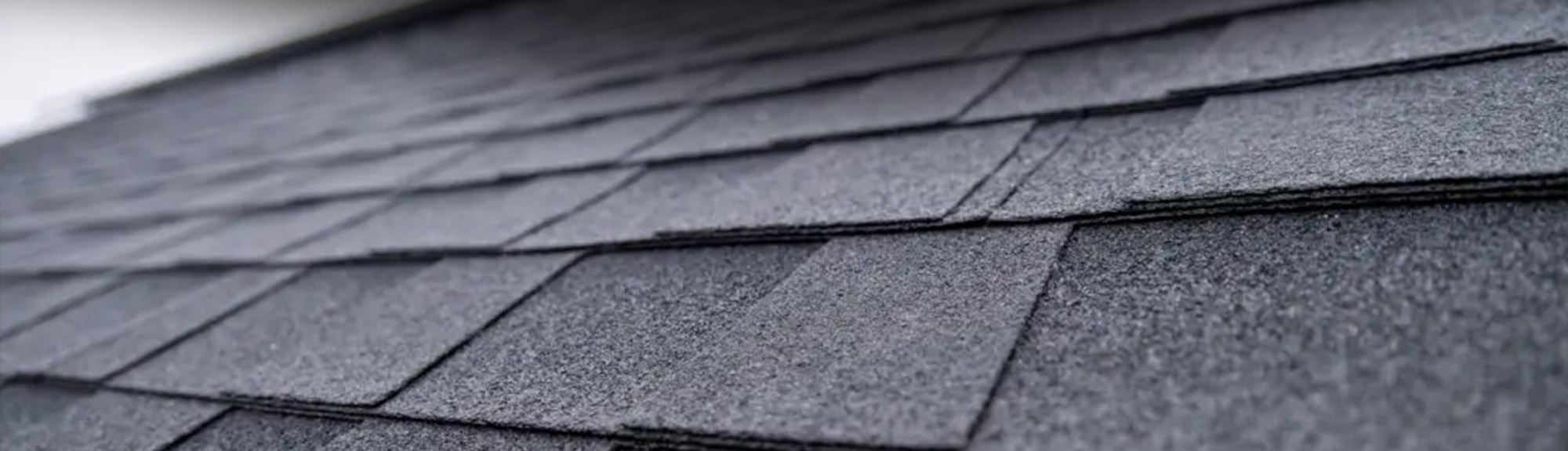
Class 4 Impact-Resistant Shingles
Impact-resistant shingles Knoxville homeowners choose come from a GAF certified contractor. This page explains what the rating measures, where the real argument for it lies in a market that isn’t hail alley, and when we’d tell you to spend the money elsewhere.
What the Class 4 Rating Actually Measures
Class 4 is the top result on UL 2218, a standardized impact test. A two-inch steel ball drops from twenty feet onto the same spot on the shingle twice. The shingle passes only if there’s no cracking, splitting or tearing visible on either the face or the back of the mat.
That’s the whole thing. It’s a controlled laboratory result describing how a material behaves under a repeatable impact. It isn’t a warranty or a guarantee, and no shingle rating makes a roof damage-proof. Understanding the limit of what the rating says is the first step to deciding whether it’s worth buying.
The Argument for Class 4 in Knoxville Is Not Really Hail
In Wichita and Oklahoma City we make the hail case, because hail there is the dominant threat and the math is straightforward. Knoxville is a different market and it deserves a different answer.
East Tennessee isn’t hail alley. The National Weather Service records hail of three-quarters of an inch or larger somewhere in every East Tennessee county every year. It has since 1955. So hail is genuinely present here. But it isn’t the Plains, and we’re not going to sell you a hail product by implying it is.
The Knoxville case for Class 4 rests on two other things:
- Limb impact. This is the real one. Knoxville’s tree canopy is why a large share of our storm damage claims involve a branch. Sometimes it’s a direct strike. Sometimes it’s a limb that stayed in contact and abraded granules across an arc of roof. A heavier, more flexible Class 4 mat resists puncture and holds granules better under abrasion than a standard three-tab does.
- Wind. Class 4 products almost always carry the manufacturer’s higher wind ratings as well, and wind is the threat East Tennessee actually gets every year without fail.
If a contractor tells you Knoxville is a hail market and you need Class 4 to survive it, they’re reading from a Texas script.
Wind Rating Is a Separate Number, and It Matters More Here
People conflate these constantly. Impact resistance and wind resistance are two different tests, and a shingle can be excellent at one and unremarkable at the other.
ASTM D3161 and ASTM D7158 rate wind resistance, with the top classes covering the highest speeds. This market has recorded damaging winds of 50 knots or more in every county every year since 1955. That makes the wind rating on your shingle arguably the number to ask about first. Pair it with the manufacturer’s required enhanced nailing pattern and a properly specified starter strip.
The Discount, and the Questions to Ask
Some carriers offer an impact-resistant roof credit in Tennessee. Some don’t. The amount varies, and no contractor can tell you what yours will be.
Call your agent before you decide, and ask four specific questions. Does my policy offer an impact-resistant roof credit, and how much is it in dollars? What documentation do you need? Does it apply to the whole premium or only the dwelling coverage? Then compare the annual credit against the actual upgrade cost we quote as a line item.
Class 4 Shingles or Metal
Metal panel systems also reach Class 4 in many configurations, and metal is a real option in East Tennessee. It lasts substantially longer and sheds debris and pine needles well. It also handles the shaded, damp slopes that give asphalt trouble. See metal roofing.
Its weakness is cosmetic damage. Hail and limb strikes dent metal without compromising performance, and a growing number of policies exclude cosmetic damage. If a dented but functional panel would bother you, that’s worth knowing before you spend the money. We install both and will price both.
When Class 4 Is Not the Right Spend
There are situations where we will tell you to skip it, and we would rather say so on a web page than discover it halfway through a sales conversation.
- You are selling within a few years. The upgrade rarely returns its cost at resale, and the insurance credit follows the policy, not you.
- Your carrier offers no credit. Without a discount, the case rests on durability alone. That case is real but narrower, and it should be made honestly.
- The money is better spent on ventilation or flashing. On a lot of Knoxville’s older stock, inadequate soffit intake and tired flashing are doing more damage than any storm. Fixing those extends roof life more reliably than upgrading the shingle grade.
- Your roof is heavily shaded and stays damp. Algae resistance and slope drainage will matter more to that roof’s lifespan than impact rating will.
Upgrading During a Claim
If you’re replacing your roof on an insurance claim, the carrier owes the cost of like-kind-and-quality replacement. If you want Class 4 instead, you generally pay the difference between what they owe and what the upgrade costs. That’s usually the cheapest moment you’ll ever have to make this upgrade. The claim is already covering the tear-off, disposal, labor and underlayment. See roof insurance claim help.
The Installation Still Decides It
A Class 4 shingle installed with the wrong nailing pattern, a missing starter course, or old flashing left in place is a Class 4 shingle on a roof that will fail anyway: and it will fail at the flashing, which is where most roofs fail regardless of what is on the field.
This is not a disclaimer. It is the most useful thing on this page. Ask any contractor bidding your roof what nailing pattern they use, whether they replace flashing or reuse it, and what starter strip they specify. The answers will tell you more about the roof you are going to get than the shingle brand will.
Frequently Asked Questions
It is a UL 2218 laboratory result, not a warranty. A two-inch steel ball is dropped from twenty feet onto the same spot on the shingle twice, and the shingle passes only if there is no cracking, splitting or tearing visible on either the front or the back of the mat. Class 4 is the highest of the four classes. It describes performance in a controlled impact test, it is not a guarantee your roof will not be damaged.
The hail argument is weaker here than it is in Wichita or Oklahoma City, and we will say so plainly. The stronger Knoxville arguments are wind and limb impact. Knoxville’s tree canopy means falling and dragging branches are a routine cause of damage here, and a Class 4 mat resists puncture and abrasion better than a standard three-tab. Class 4 products also tend to carry the higher wind ratings, which matters in a market that has recorded damaging winds every year since 1955.
Some carriers offer an impact-resistant roof credit and some do not, and the amount varies by carrier and by policy. Do not take a contractor’s word for the number: call your agent before you buy, ask whether the credit exists on your specific policy, ask what documentation they need, and ask whether it applies to the full premium or only the dwelling portion. Get the answer before the shingle order goes in, not after.
Generally yes. Old North Knoxville’s design guidelines call for dark green, charcoal gray, black or dark reddish-brown to simulate original roof colors, and every major manufacturer’s Class 4 line includes shades in that range. Fourth and Gill and Parkridge have their own city-issued guidelines. If your home is in a district with design review, confirm the specific color before the order is placed.
Expect a meaningful premium over a standard architectural shingle: the exact figure depends on the manufacturer, the line, and what the roof requires. We quote it as a line item so you can see what you are paying for the upgrade separately from the rest of the job, and decide on the actual number rather than a percentage.
No, though many metal panel systems also achieve Class 4. Metal costs more up front, lasts considerably longer, and sheds debris well. Its weak point is cosmetic: hail and limb strikes dent metal without compromising it, and cosmetic damage is excluded on a growing number of policies. A Class 4 asphalt shingle is the more common answer in Knoxville, but metal is a legitimate choice and we install both.
No, and any contractor who implies otherwise is overselling. Class 4 raises the impact threshold. A large enough limb, a strong enough gust, or a failure at the flashing rather than the field will still cause damage. The shingle is one component of a system, and in our experience the installation details decide more outcomes than the shingle grade does.
Want the Class 4 upgrade priced against a standard architectural shingle on your actual roof? Book a free inspection and we will quote both, as separate line items.