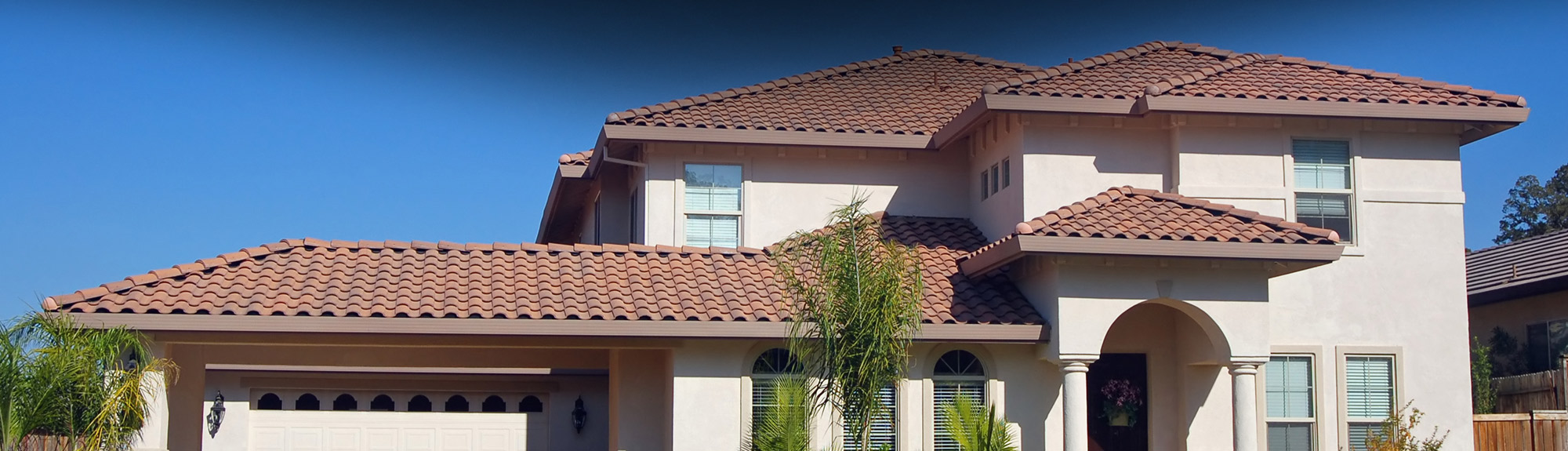
After a Storm: A Florida Homeowner’s Roof Checklist
Once a storm passes, it is natural to want to walk outside and see how everything held up. In Florida, storms can move through quickly, but the effects on your roof are not always obvious right away. A Florida roof inspection after a storm helps homeowners catch hidden damage before it turns into costly repairs. Knowing what to look for and what steps to take next can help you avoid unnecessary stress and prevent small issues from turning into larger ones.
The checklist, in order
Before the detail, here is the whole thing in one place. Work down it in this sequence, because the later steps depend on the earlier ones:
- Wait until it is safe. No ladders in wind or rain, and nothing at all near a downed line.
- Walk the perimeter at ground level. Look up at every roof plane and note anything missing, lifted, cracked or out of alignment.
- Check the gutters and splash zones for washed out granules, which is the clearest sign a shingle surface has been struck.
- Look at the soft metal. Vents, flashing, drip edge and any aluminum. Dents there mean hail was large enough to matter.
- Check inside. Ceilings, the tops of walls, and around light fittings and vents.
- Go into the attic with a torch. Damp insulation, staining on the underside of the decking, or daylight at a penetration.
- Photograph everything, dated. Wide shots for context, close shots for detail, and the debris in the gutters too.
- Report to your insurer promptly even if you are unsure of the extent.
- Book a professional inspection. Get the roof properly assessed before you accept that there is no damage.
- Do not sign anything under pressure. Not that day, not on a doorstep.
One safety point worth stating plainly, because it is the item most often ignored: do not get on the roof. A storm damaged roof is structurally unpredictable, wet surfaces are dangerous, and walking on compromised shingles causes fresh damage that then becomes very difficult to attribute to the storm. Everything on the list above can be done from the ground, a window, or the attic.
Start with a visual check from the ground
After a storm, take a slow look at your roof from ground level. You are not looking for perfection. You are simply checking for anything that looks different than before. Missing materials, debris on the roof, or pieces in the yard can be signs that something shifted during the storm. Avoid climbing onto the roof yourself, especially if surfaces are wet or conditions are still unstable.
Check inside your home as well
Some roof issues show up indoors before they are visible outside. Take a look at ceilings, walls, and around vents for discoloration or water spots. In Florida homes, moisture can travel quickly once it finds an opening. Catching it early matters.
Do not assume damage will always be obvious
One of the most common misconceptions after a storm is that roof damage is always dramatic. In reality, many storm-related issues involve lifted areas, loosened materials, or compromised seal points. These problems may not cause immediate leaks, but they can allow water to enter during future storms if left unaddressed.
Two specific mechanisms explain why storm damage hides. Wind can break the adhesive seal beneath a shingle and then set it back down, so the roof looks untouched while that shingle is no longer bonded and will lift in the next moderate blow. Hail can bruise the mat underneath the granule surface without cracking anything visible, and the bruise becomes a crack months later under normal thermal cycling. Neither is visible from a driveway, which is exactly why a clean visual check is not the same thing as an undamaged roof.
Document what you see
If you notice anything out of the ordinary, take photos from a safe distance. This documentation can be helpful later, especially if you need to reference when the changes occurred. Even if you are unsure whether something is storm-related, having a record gives you clarity.
Photographs are worth more than most homeowners expect, and the useful ones are boring. Date stamped wide shots showing which elevation you are looking at, close shots of anything specific, and pictures of the granules in your gutters. If you have images of the roof from before the storm, put them in the same folder. Our roofing insurance guide covers what adjusters look for and how the process runs.
Schedule a professional inspection
A post-storm roof inspection is one of the most important steps you can take as a Florida homeowner. In areas like Jacksonville, where storms can be frequent and varied, an inspection helps identify issues that are not always visible from the ground. It also helps establish whether any changes are storm-related or part of normal wear.
Why Timing Matters for a Florida Roof Inspection
Storm damage does not always announce itself right away. Small issues can worsen over time, especially with Florida heat and humidity. Addressing concerns sooner rather than later helps limit secondary damage and keeps repairs more manageable.
What Florida adds to all of this
- A separate hurricane deductible. Most Florida policies calculate it as a percentage of dwelling coverage rather than as a flat sum, so it can be far larger than your standard deductible. Read your declarations page before you need it.
- Statutory notice deadlines that have moved. Florida has changed the time limits for reporting windstorm and hurricane claims more than once in recent years. Confirm the current requirement with your carrier rather than assuming what applied last time still applies. We are roofers, not insurance advisors, and this is a question for your agent.
- Heavy post storm solicitation. Verify licensing and insurance for anyone who arrives unannounced, and be extremely cautious about signing away insurance benefits.
- Ultraviolet load between storms. Jacksonville sees some of the heaviest sun exposure of anywhere we work, and an aging roof that has been baking for fifteen years has far less margin when a storm arrives. If yours is in that bracket, Shingle Rx is worth understanding.
Stay calm and avoid quick decisions
After a storm, it is easy to feel pressure to act fast. The best approach is a steady one. Get information, understand the condition of your roof, and make decisions based on facts rather than urgency. Florida homeowners who take this approach tend to have smoother outcomes.
Storms are part of life here. What matters most is knowing what to do once they pass. With a clear plan and the right information, you can move forward confidently and protect your home long after the weather clears.
Our Jacksonville team can help with Storm Restoration and walk you through The Insurance Guide for your claim.
If you would rather have someone look before you decide anything, a free roof inspection from our Jacksonville team costs nothing and gives you something in writing to work from.
Florida storm roof questions
Work from the ground and from inside before anyone gets on a ladder. Look for missing, lifted or cracked shingles, granules washed into gutters and downspout splash areas, damaged or displaced ridge caps, bent vents or flashing, and debris resting on the roof. Indoors, check ceilings, wall tops, and the attic for staining, damp insulation or daylight.
No. A storm damaged roof is structurally unpredictable, wet surfaces are slippery, and walking on compromised shingles causes damage that then becomes hard to attribute to the storm. Everything a homeowner needs to see can be seen from the ground, from a window, or from inside the attic.
Florida has statutory deadlines for notifying your insurer after windstorm and hurricane damage, and those deadlines have been shortened by legislation in recent years. Because they have changed more than once, confirm the current requirement with your carrier or agent rather than relying on what applied after an earlier storm. The practical advice does not change either way, which is to report promptly.
Usually, yes. Most Florida policies apply a separate hurricane deductible, often calculated as a percentage of the dwelling coverage rather than a flat amount, and it can be substantially larger than your standard deductible. Check your declarations page so the number is not a surprise.
Be careful. Post storm door knocking is common and not all of it is legitimate. Take the time to verify licensing and insurance, get the scope in writing, and never sign anything that assigns your insurance benefits without understanding exactly what you are giving up.
That is the most common situation and it is worth an inspection anyway. Wind can lift and reseat a shingle so it looks intact while the seal beneath it is broken, and hail can bruise a mat without breaking the surface. Neither shows from the ground, and both leak later.