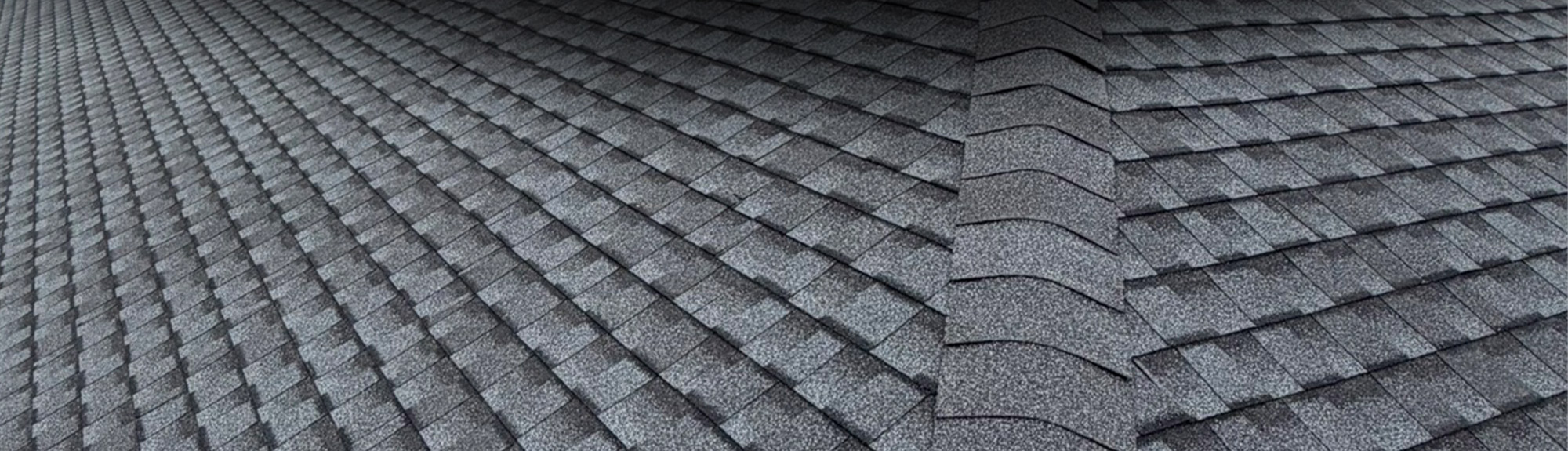
Impact-Resistant Shingles
Class 4 impact-resistant shingles are one of the smartest investments an Oklahoma City homeowner can make. They’re rated to withstand hail impact without cracking or losing granules. They hold up to Oklahoma’s severe storm seasons far better than standard shingles, and many insurers offer premium discounts for installing them.
We’ll walk you through Class 4 shingle options and manufacturers. We’ll explain how the impact rating works and give you a clear estimate before installation begins. Many homeowners choose to upgrade to Class 4 shingles during a hail-damage replacement, using insurance proceeds to cover the cost.
We’ve installed impact-resistant roofing across the OKC metro for years. That experience tells us which products perform best against Oklahoma hail and hold up over the long run.
- Free consultation on Class 4 impact-resistant shingle options
- Potential insurance premium discounts after installation
- Installed by crews experienced with Oklahoma’s severe storm seasons
Ready to upgrade to impact-resistant shingles? Contact Brazen Roofing for a free Oklahoma City estimate. This is part of our full Residential Roofing service line. If you’ve already had a storm hit, see our Hail & Wind Damage Specialists page for Oklahoma City-specific repair guidance. You can also browse our Oklahoma City project gallery to see finished installs.
Oklahoma City Is Where Two Threats Overlap
Most markets have one governing threat. Coastal South Carolina has wind. The Front Range has hail. Oklahoma City has both, in the same storm, in the same season, and that changes what you should be buying.
- Hail. Central Oklahoma sees severe hail as a matter of routine rather than as an event. Impact resistance is not a hedge here; it is the baseline consideration.
- Straight-line and tornadic wind. A shingle’s wind rating matters as much as its impact rating, and most architectural shingles reach their rated wind speed only when installed to the enhanced nailing pattern. That pattern is a condition of the rating, not an upgrade, and it is where cheaper bids quietly save money.
- Wind-driven rain following hail. The combination that does the real damage. Hail fractures the shingle surface, then wind pushes water into and under it. Either alone is survivable; together they find every weakness.
- Temperature extremes. Hot summers and genuine winter cold, which cycles the material and stiffens aging shingles so they crack rather than flex when the next hailstorm arrives.
So the roof worth buying in this market is one specified for both: Class 4 impact resistance and the enhanced nailing pattern, with sealed starter courses and replaced flashing. A Class 4 shingle installed to a minimum nailing pattern is a half-measure.
The Argument Nobody Makes: Claim Frequency
The usual pitch for Class 4 is the premium discount, and it is real. But in a market with Oklahoma City’s hail frequency, there is a second argument that matters more over ten years, and almost nobody makes it.
Every claim you file is on your record. Homeowners in high-frequency hail markets can find themselves facing higher deductibles at renewal, roof-specific limitations added to the policy, actual-cash-value rather than replacement-cost settlement on the roof, or non-renewal altogether. None of that is unique to Oklahoma, and all of it is more likely where storms arrive every year.
A Class 4 roof does not stop hail. What it does is raise the size of hailstone it takes to produce a claimable failure, which means fewer claims over the life of the roof. In a market like this, protecting your insurability is arguably worth more than the annual discount. Ask your agent how your carrier treats claim frequency on roofs, and whether your policy settles the roof at replacement cost or actual cash value. That second answer changes the arithmetic on everything.
Upgrading During a Hail Claim
This is the cheapest way into a Class 4 roof and it is what many OKC homeowners do. When a hail claim funds a replacement, the insurer covers the roof you had, if you want Class 4 instead, you generally pay only the material cost difference between the two, not the cost of a whole roof.
Given how often this market gets hit, most homeowners here will have that opportunity. Take it when it comes. Get the damage documented first, then make the material decision. Start at storm restoration or read what to do after storm damage.
What Class 4 Actually Means
Impact resistance is graded Class 1 through Class 4, and Class 4 is the highest rating available for roofing materials. The test drops a two-inch steel ball from twenty feet, twice in the same spot, and the shingle passes only if the mat does not crack.
Two honest caveats. A steel ball is not hail: real hail comes at angles, at varying speeds and densities, often with 70 mph wind behind it, so the rating is the best available proxy rather than a guarantee. And the test measures cracking, not appearance: a Class 4 shingle can be dented or bruised and still pass every functional test. If your policy carries a cosmetic damage exclusion, that distinction is where a claim will turn, so ask.
Products reach Class 4 in different ways: a thicker heavier laminate, a polymer-modified asphalt that flexes rather than fractures, or a reinforcing mesh on the back. Those are not equivalent in the field, and in our experience the polymer-modified products hold up best. We will walk you through the specific options and manufacturers rather than naming one and stopping.
Class 4 Shingles or Metal?
In a market with this much hail, metal deserves a real look, and we would rather you compared them properly.
- Class 4 shingles. Lower up-front cost, unlimited color options, straightforward to repair and to match. The right answer for most homes and for anyone who may sell within a decade.
- Metal. Dents rather than cracks: and a dented metal roof is generally still a fully watertight roof, which is a very different outcome. Lasts two to three times as long, and GAF TimberSteel carries Class 4 impact resistance with no maximum wind speed limitation, which is unusual and matters in a wind-and-hail market. See metal roofs.
- The catch with metal. Cosmetic denting. Ask your carrier how the policy treats it before you buy, because the answer varies and it is the one real risk in choosing metal here.
The Installation Decides It
A Class 4 shingle installed badly is a Class 4 shingle that fails early. The rating covers the product, not the roof.
- Enhanced nailing pattern, with correct placement in the nailing zone. Nails driven high hold the shingle by the tab only and void most manufacturer warranties. This is the most common defect in the industry.
- Sealed starter strip at eaves and rakes, which is where wind gets underneath a roof.
- Matched ridge cap and starter, usually a condition of the full warranty.
- Synthetic underlayment, with ice-and-water membrane where warranted.
- New flashing at every wall, chimney, skylight and valley: replaced, not reused, plus kickout flashing and new pipe boots.
- Balanced ventilation. Exhaust matched by soffit intake, or the shingles cook from underneath and stiffen, and a stiff shingle cracks under hail that a flexible one would have survived. See why proper roof ventilation matters.
Every Brazen roof is signed off by our own quality-control inspector rather than by the crew that installed it. Keep the manufacturer’s Class 4 certification with the invoice: your insurer will want both to apply a discount, and unregistered warranty coverage is the most common avoidable loss in residential roofing.
This is part of our full Residential Roofing service line. More about Brazen in Oklahoma on our Oklahoma City roofing page, and see architectural and designer shingles for how Class 4 designer products compare. Financing is available, and a free roof inspection costs nothing.
Frequently Asked Questions
In a market this exposed, usually yes, but the strongest argument is not the premium discount. It is claim frequency. A Class 4 roof raises the size of hailstone it takes to produce a claimable failure, which means fewer claims over the life of the roof. In a high-frequency hail market, protecting your insurability can be worth more than the annual discount.
Many do, and the amount varies substantially by carrier and policy. Call your agent before installation and ask for the specific figure and the documentation required, usually the manufacturer’s Class 4 certification and the installation invoice.
No. The rating measures resistance to cracking under a laboratory impact test, not immunity. A Class 4 shingle can still be dented or bruised, it is simply far less likely to crack through, which is what causes leaks. If your policy has a cosmetic damage exclusion, that distinction is where a claim will turn.
Because Oklahoma City gets both, often in the same storm. Most architectural shingles reach their rated wind speed only when installed to the enhanced nailing pattern, and hail followed by wind-driven rain is what actually causes the damage, hail fractures the surface, wind pushes water into it.
It is worth comparing. Metal dents rather than cracks, and a dented metal roof is usually still watertight, a very different outcome from a cracked shingle. It also lasts two to three times as long. The one real risk is how your carrier treats cosmetic denting, so ask before you buy.
Yes, and it is the most economical time to do it. The insurer covers the roof you had, and you typically pay only the difference in material cost to upgrade. Given how often this market is hit, most homeowners here will get that opportunity, take it when it comes.