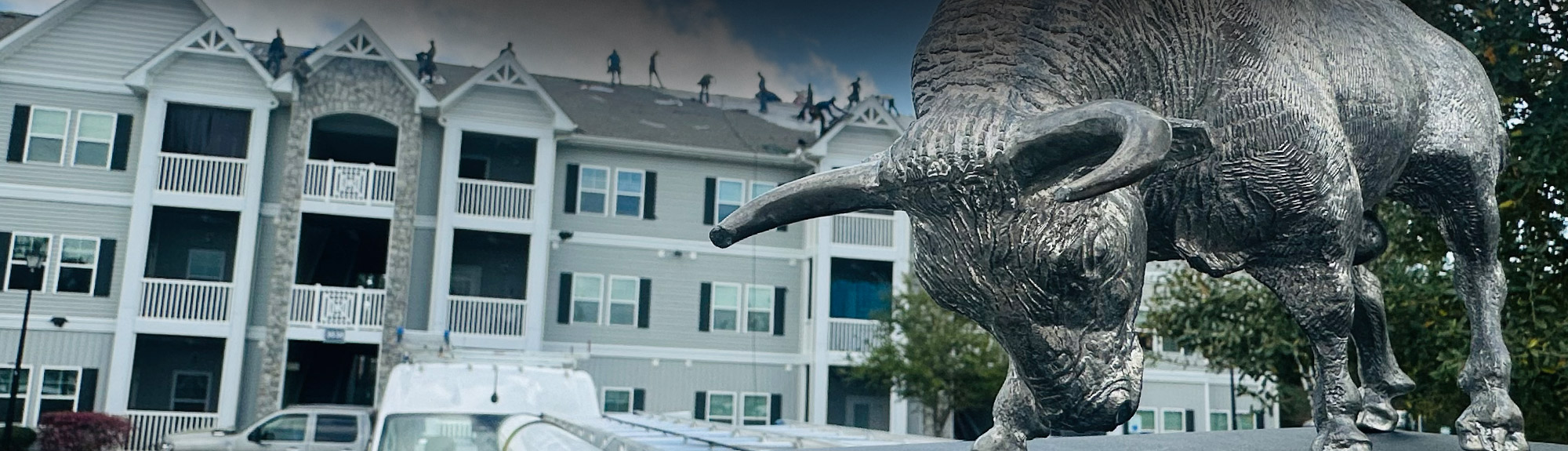
Gallery
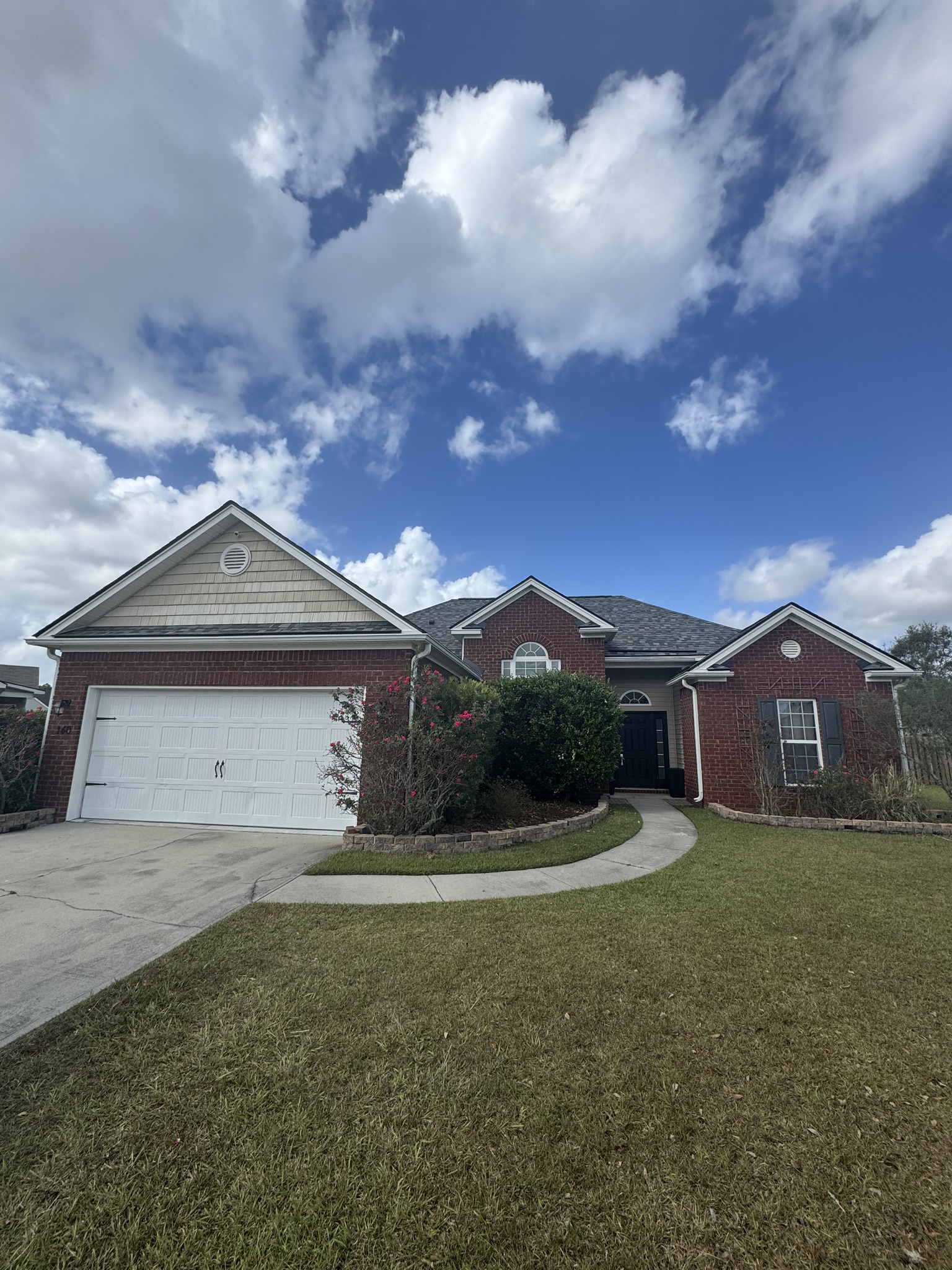
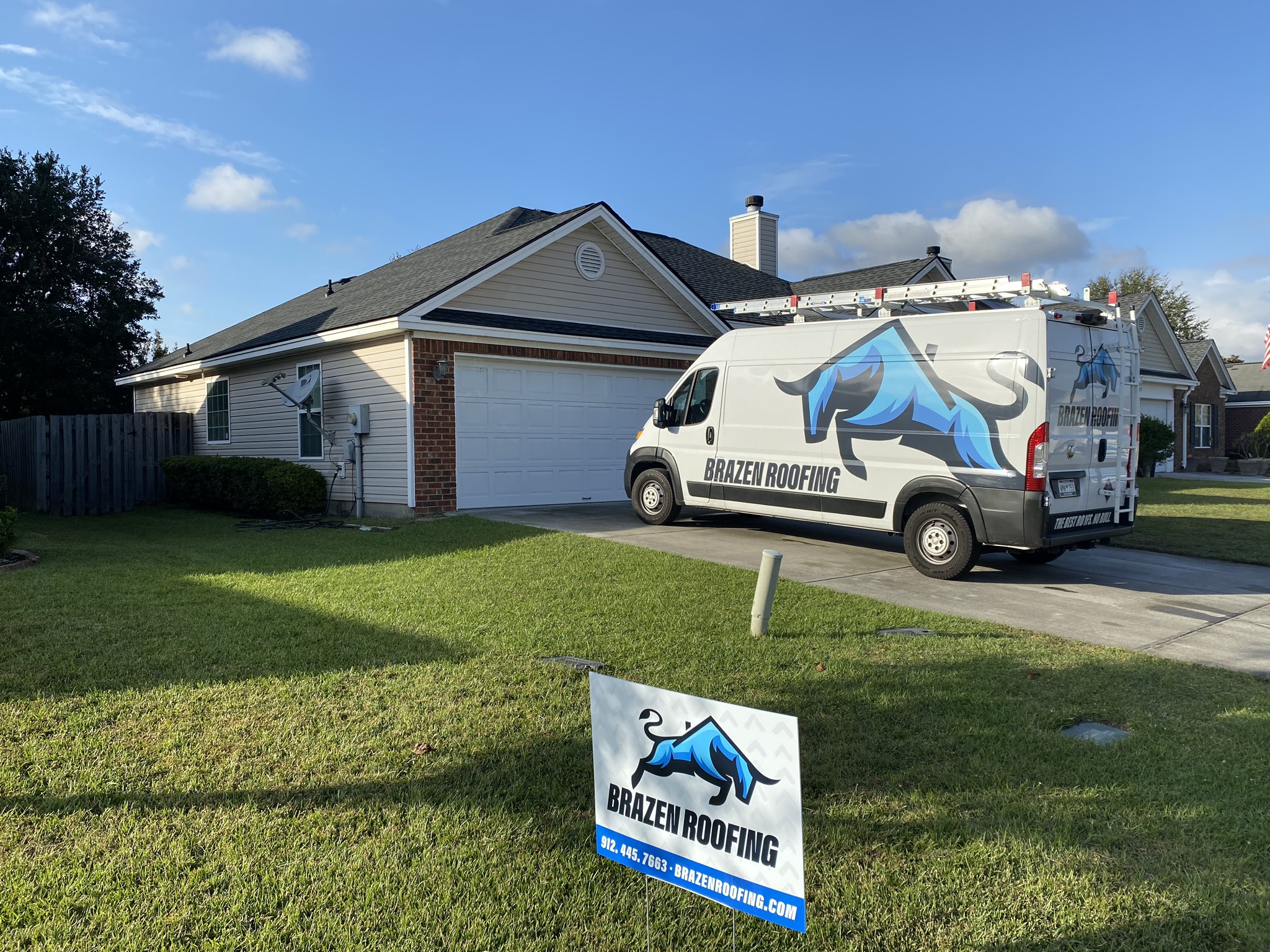
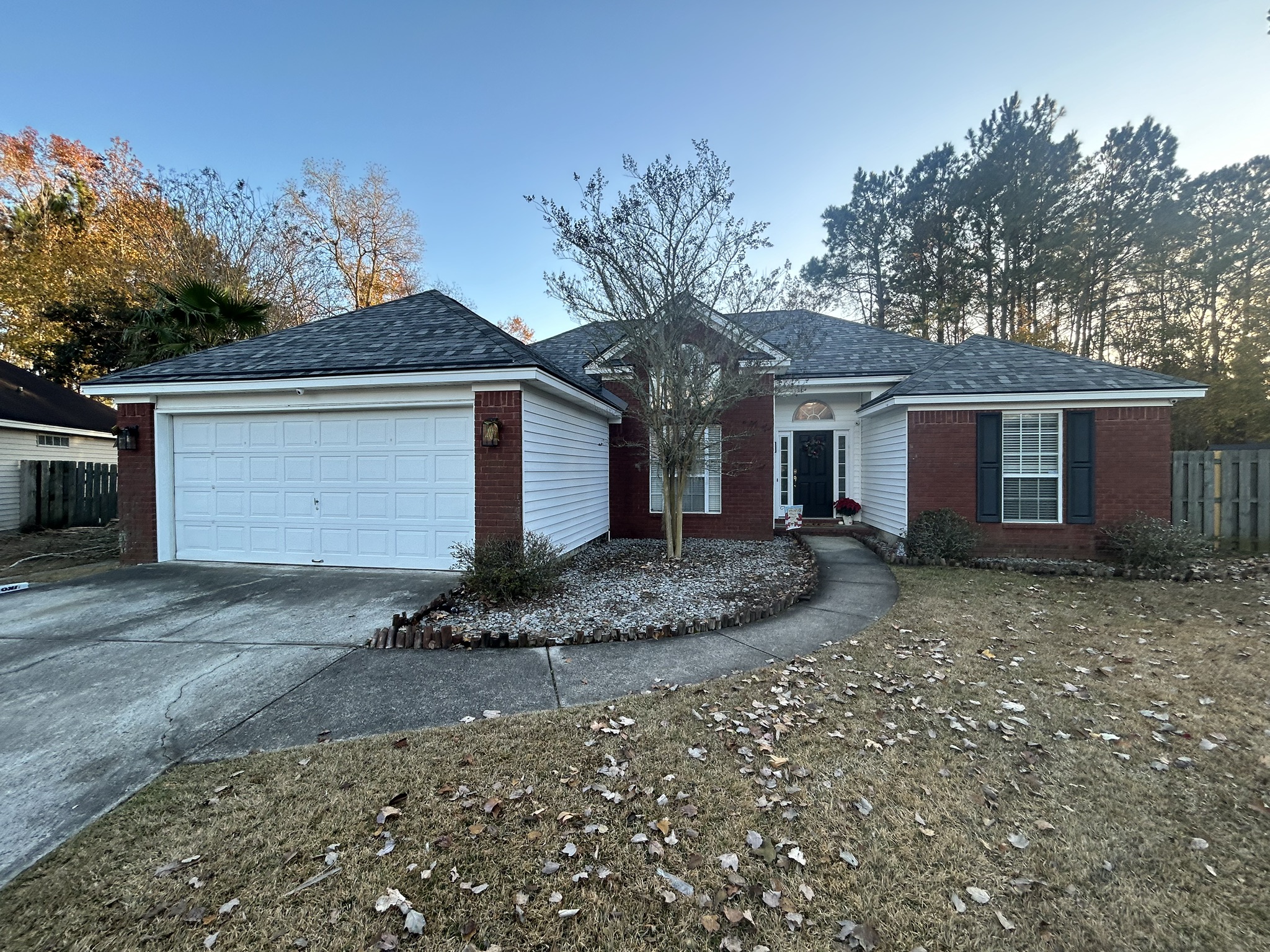
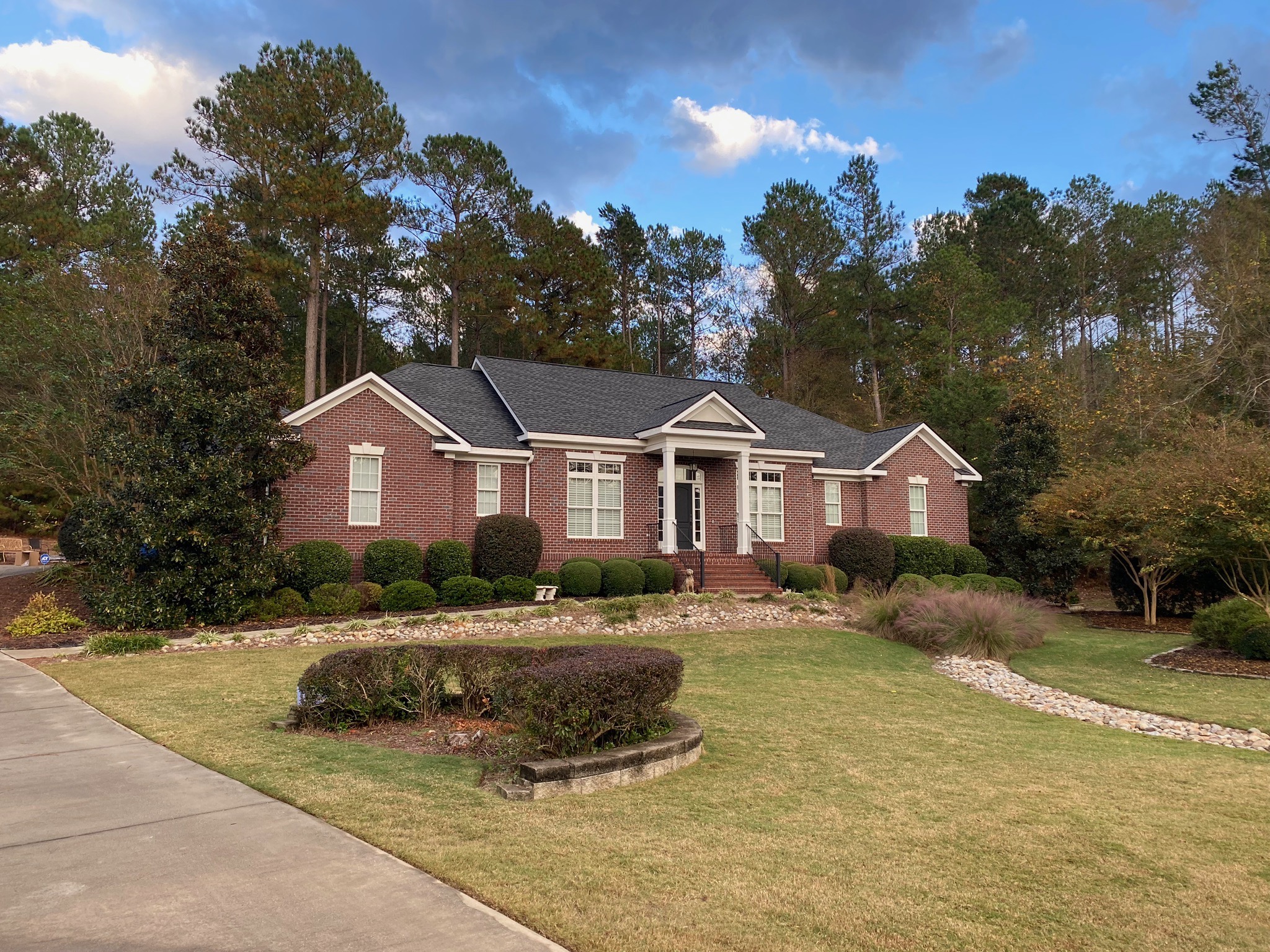
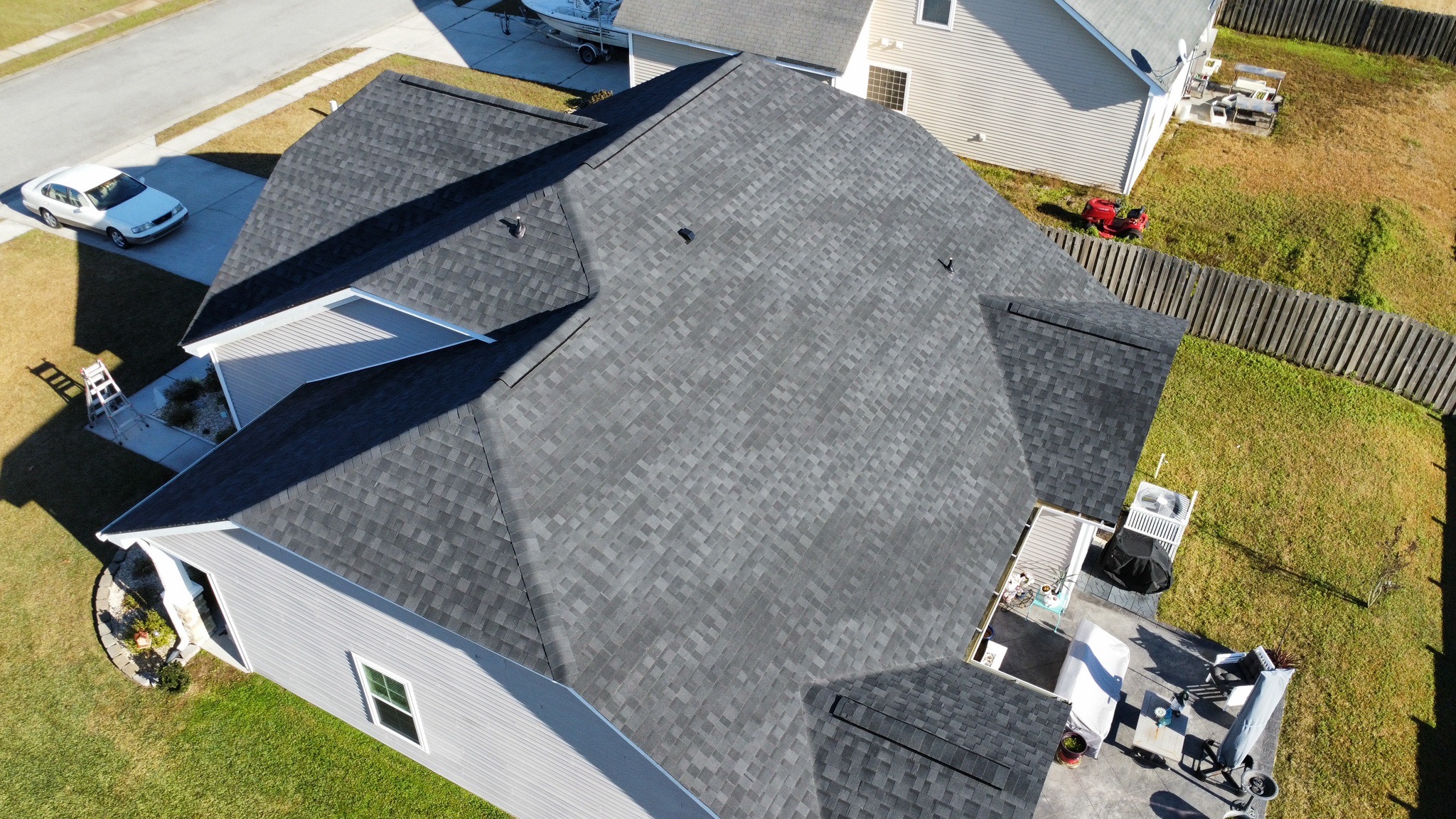
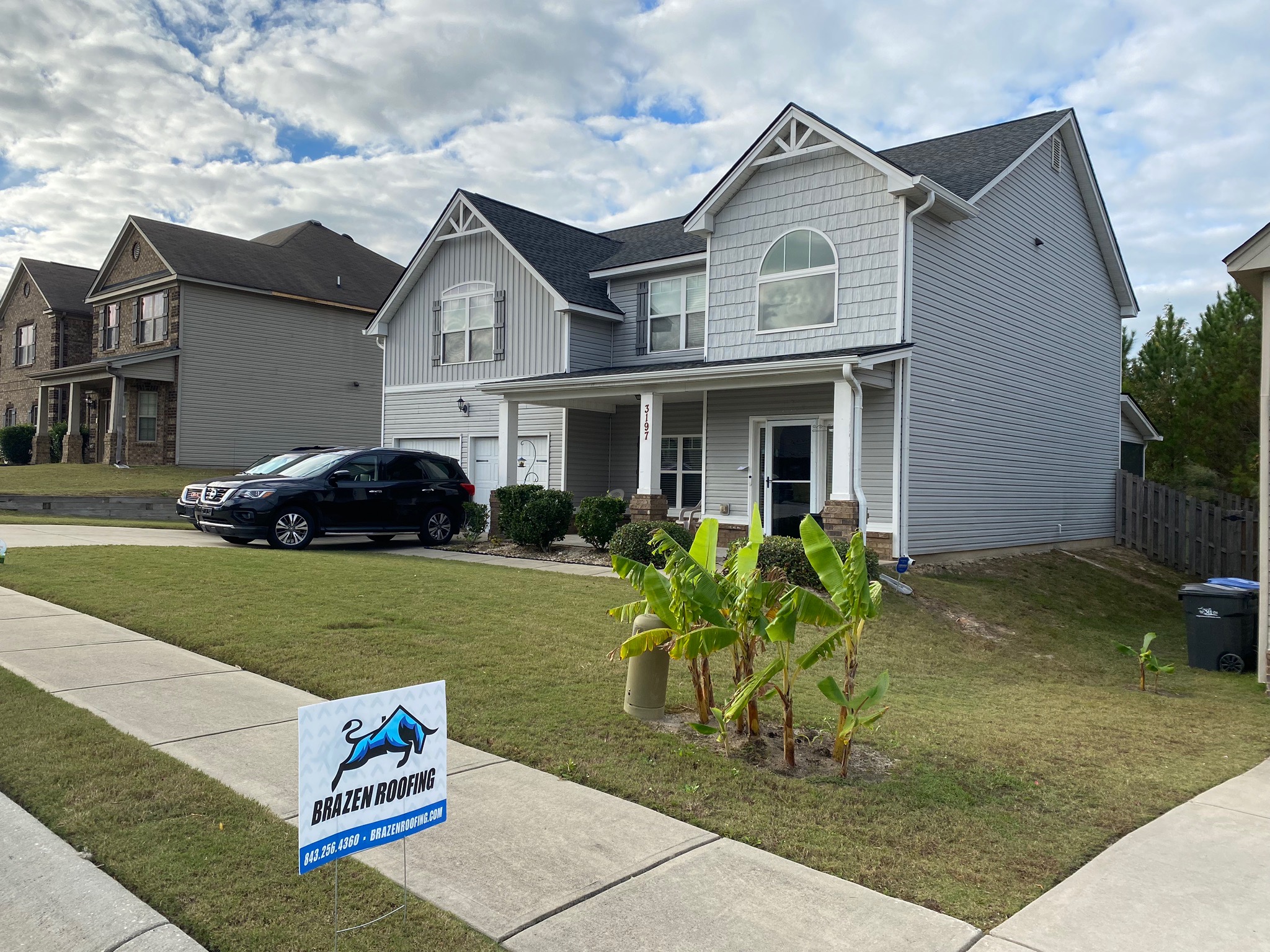
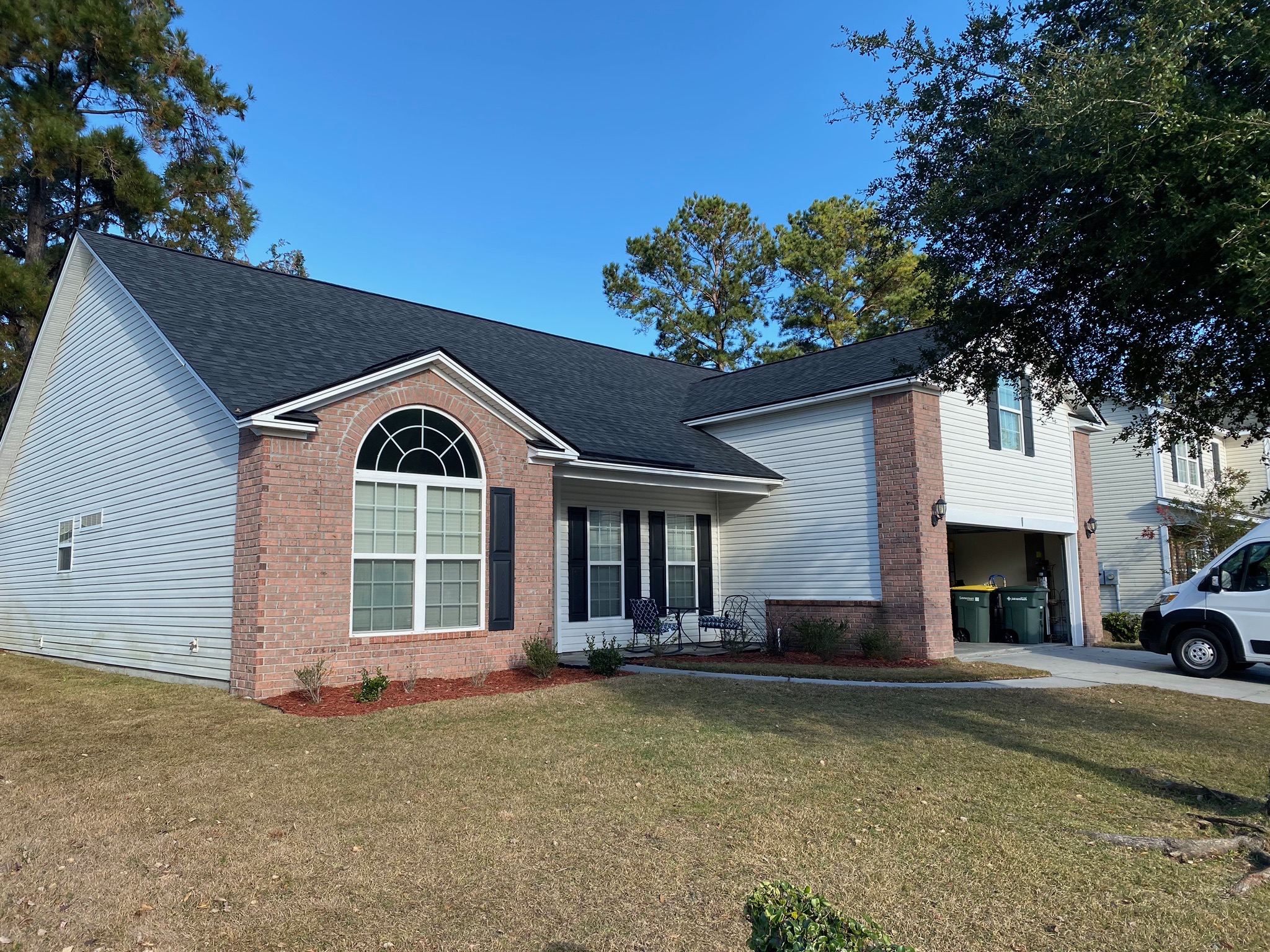
Recent Brazen Roofing work across Savannah and the Coastal Empire: the Historic District, the islands, and the newer communities out toward Pooler and Richmond Hill.
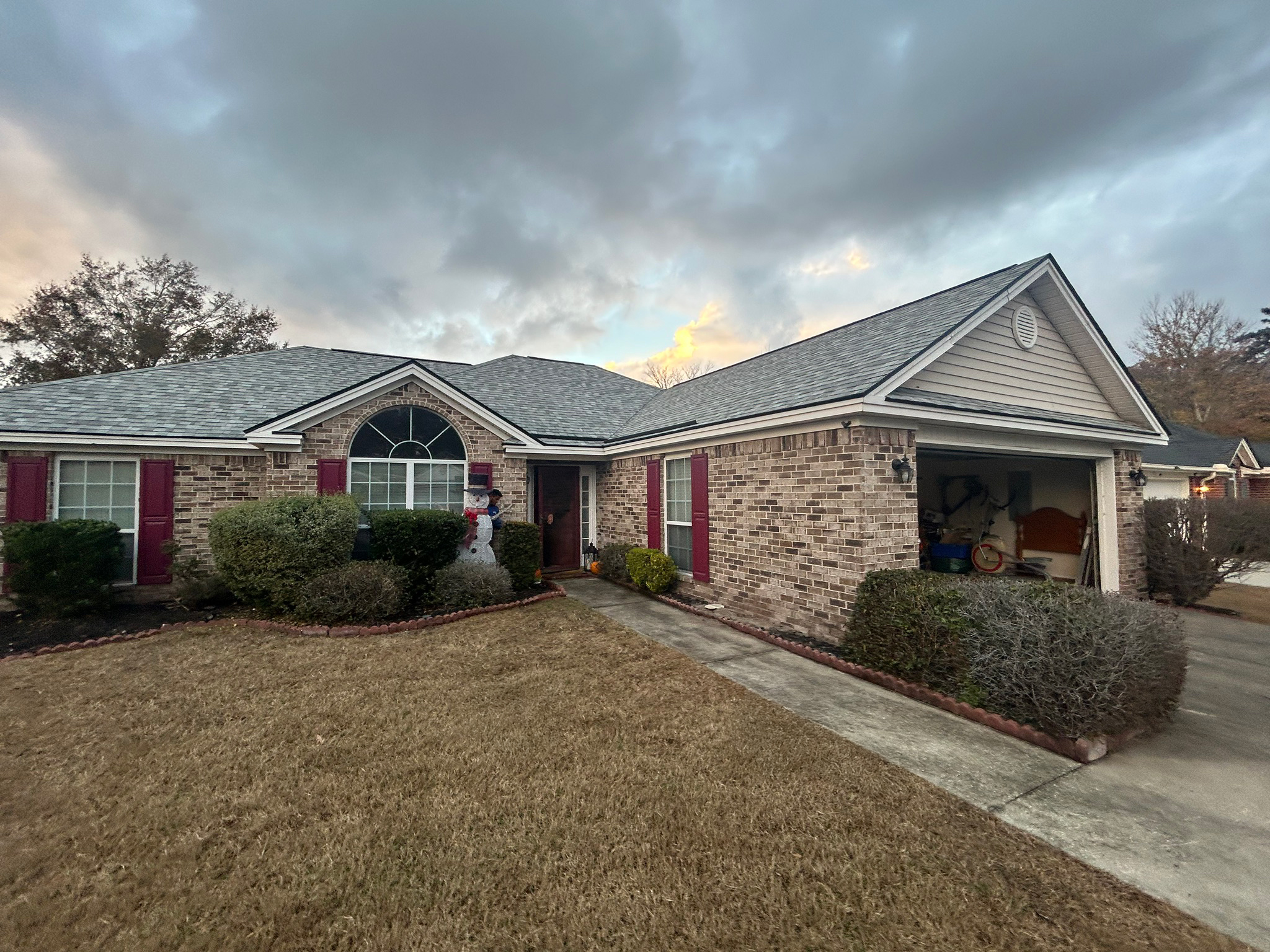
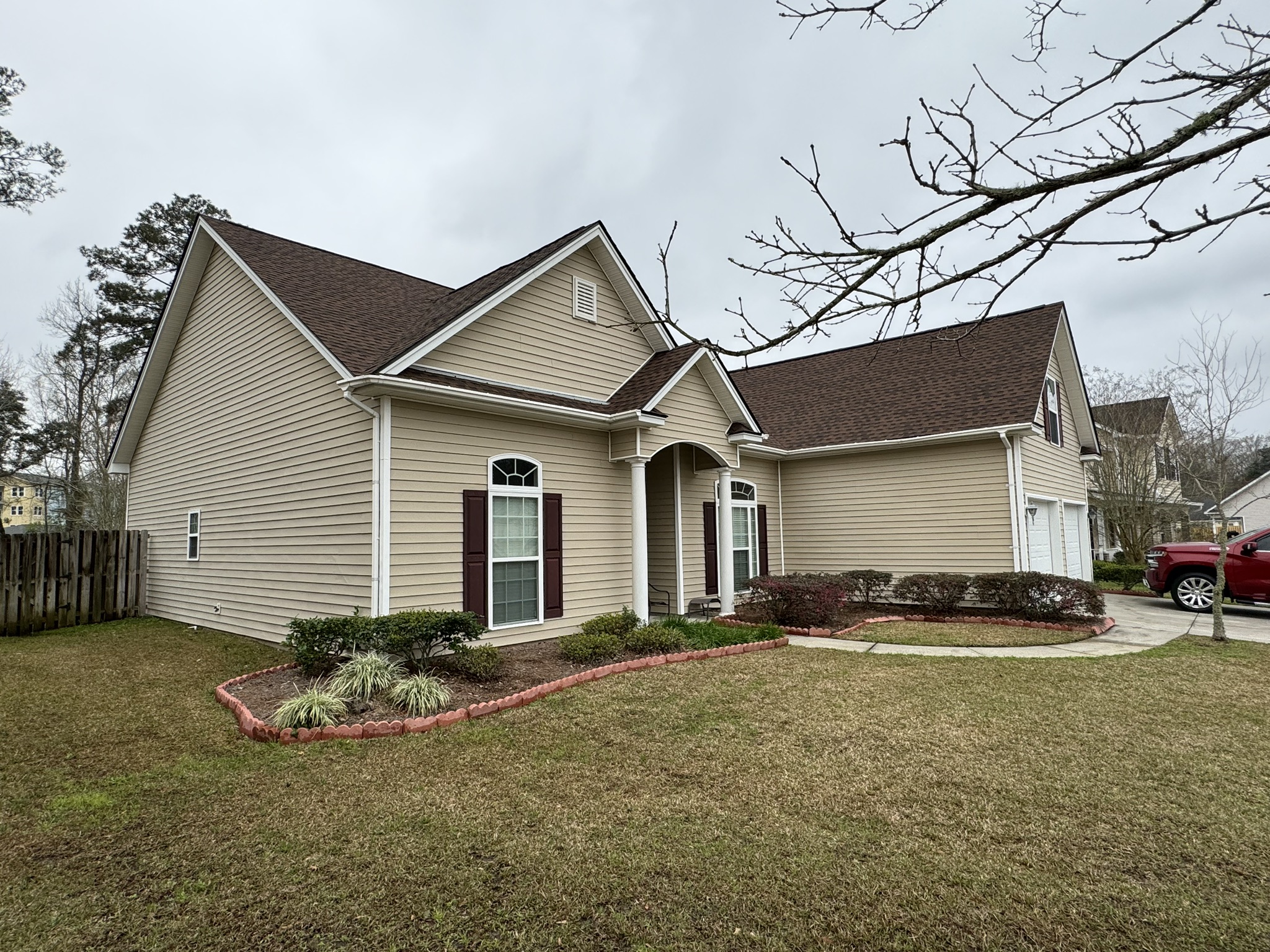
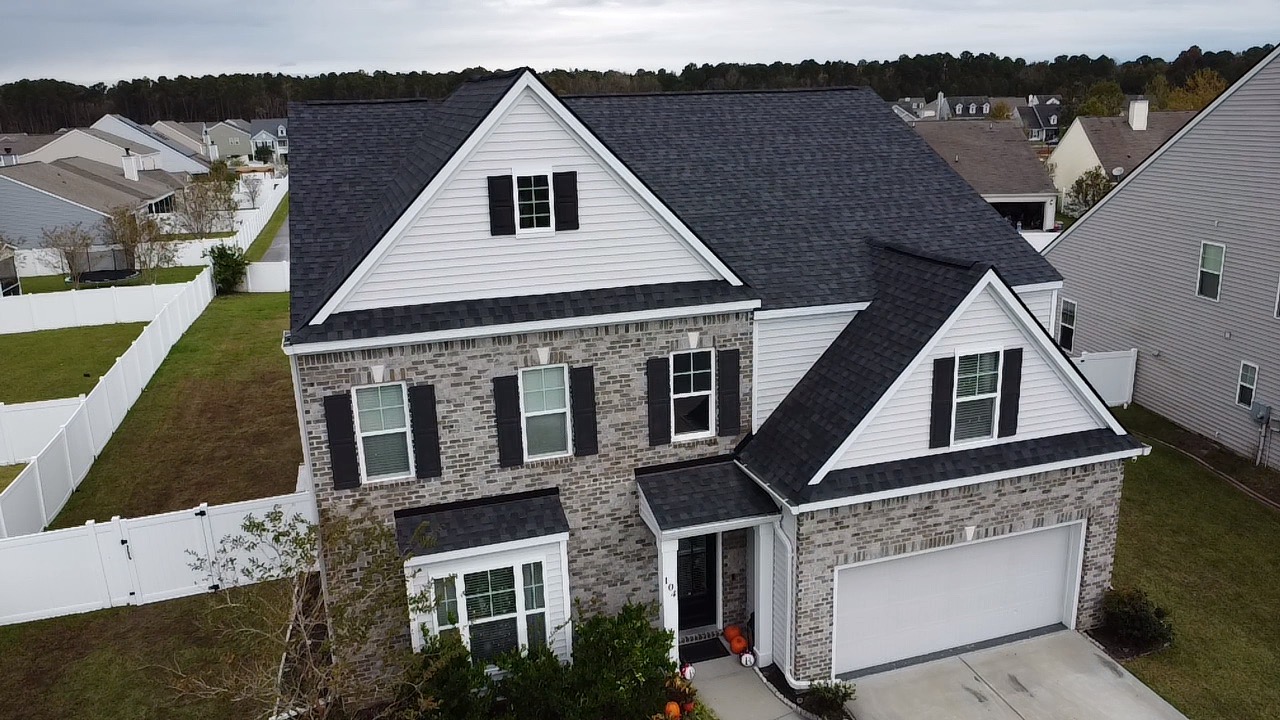
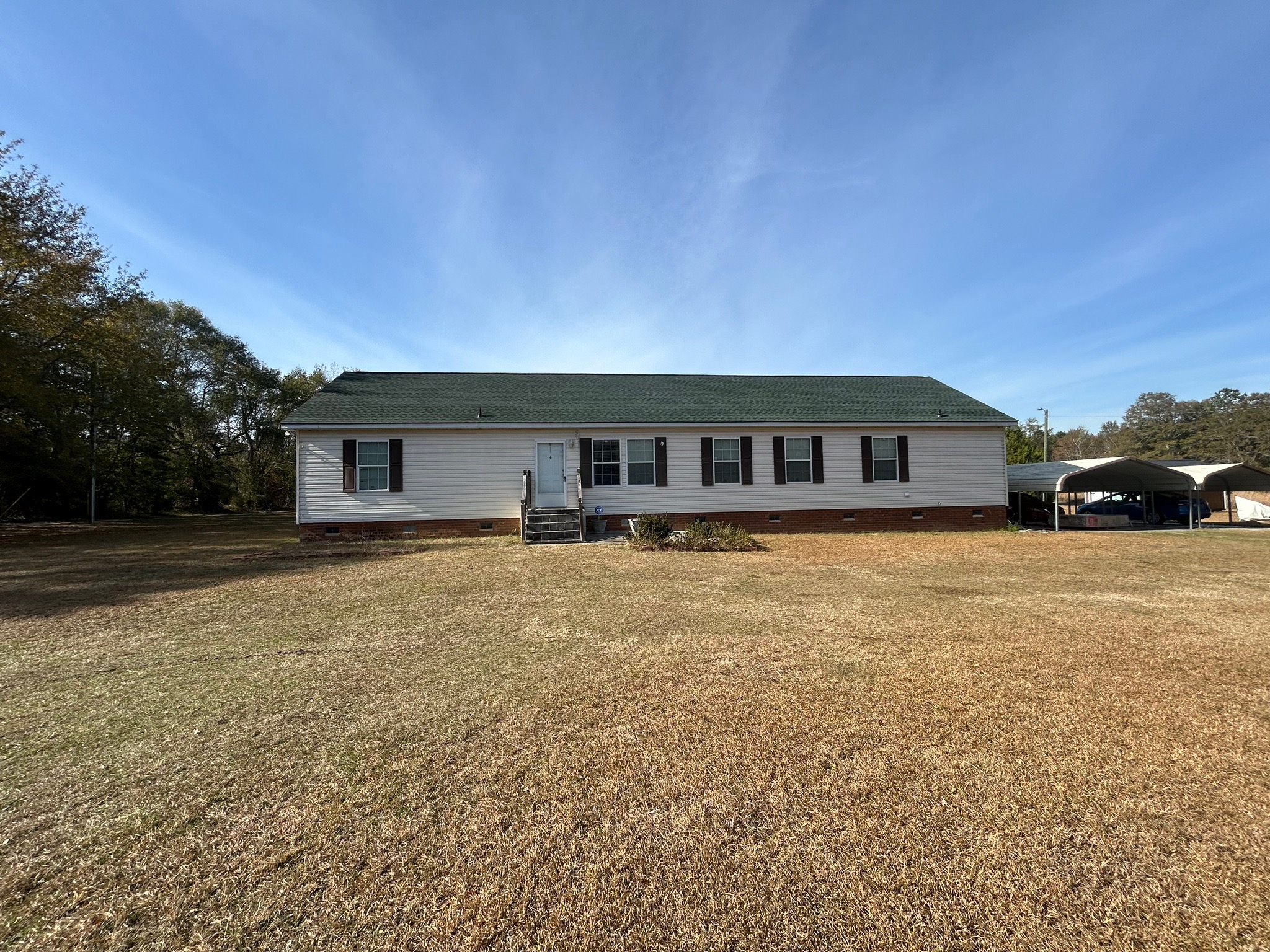
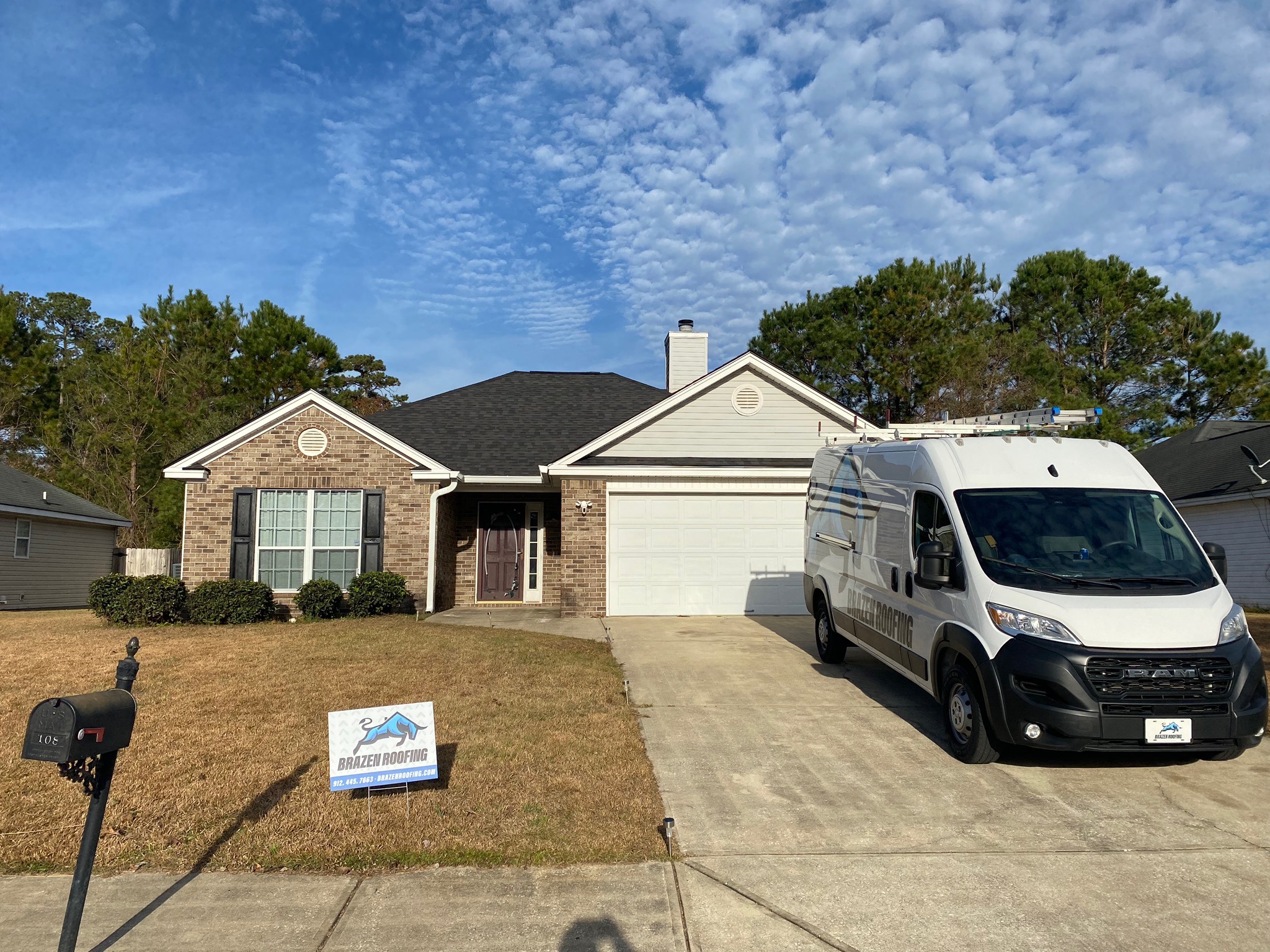
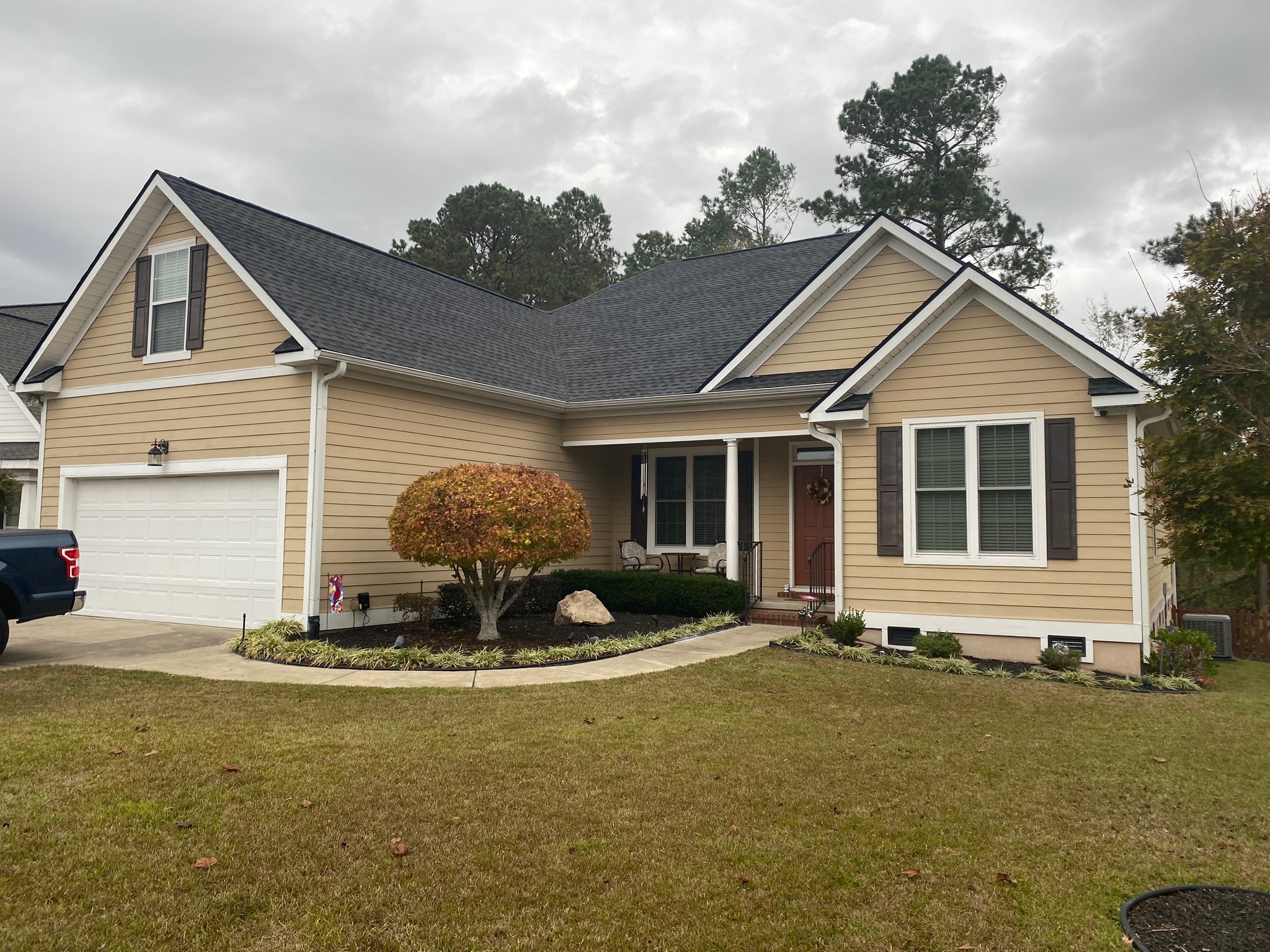
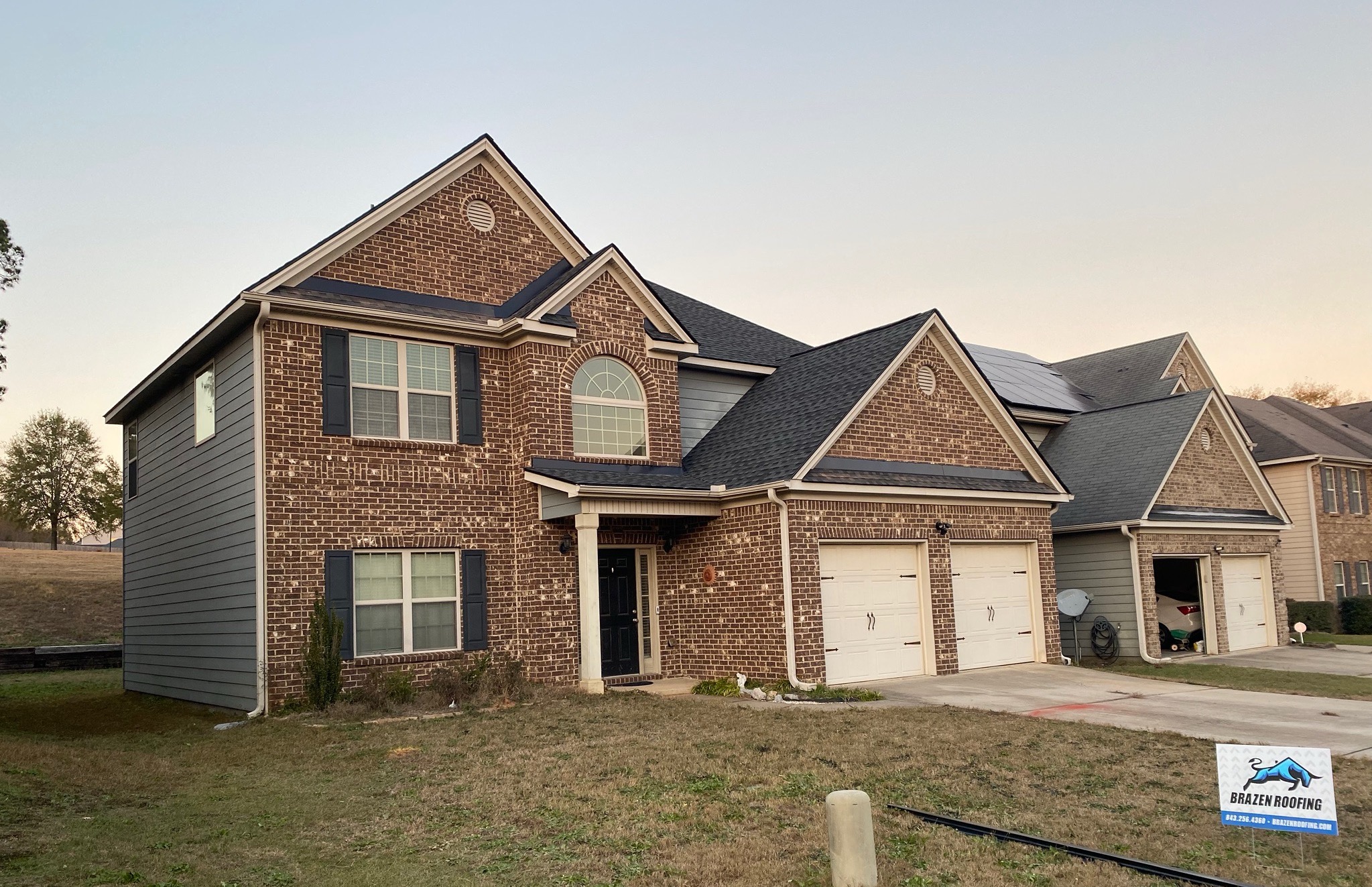
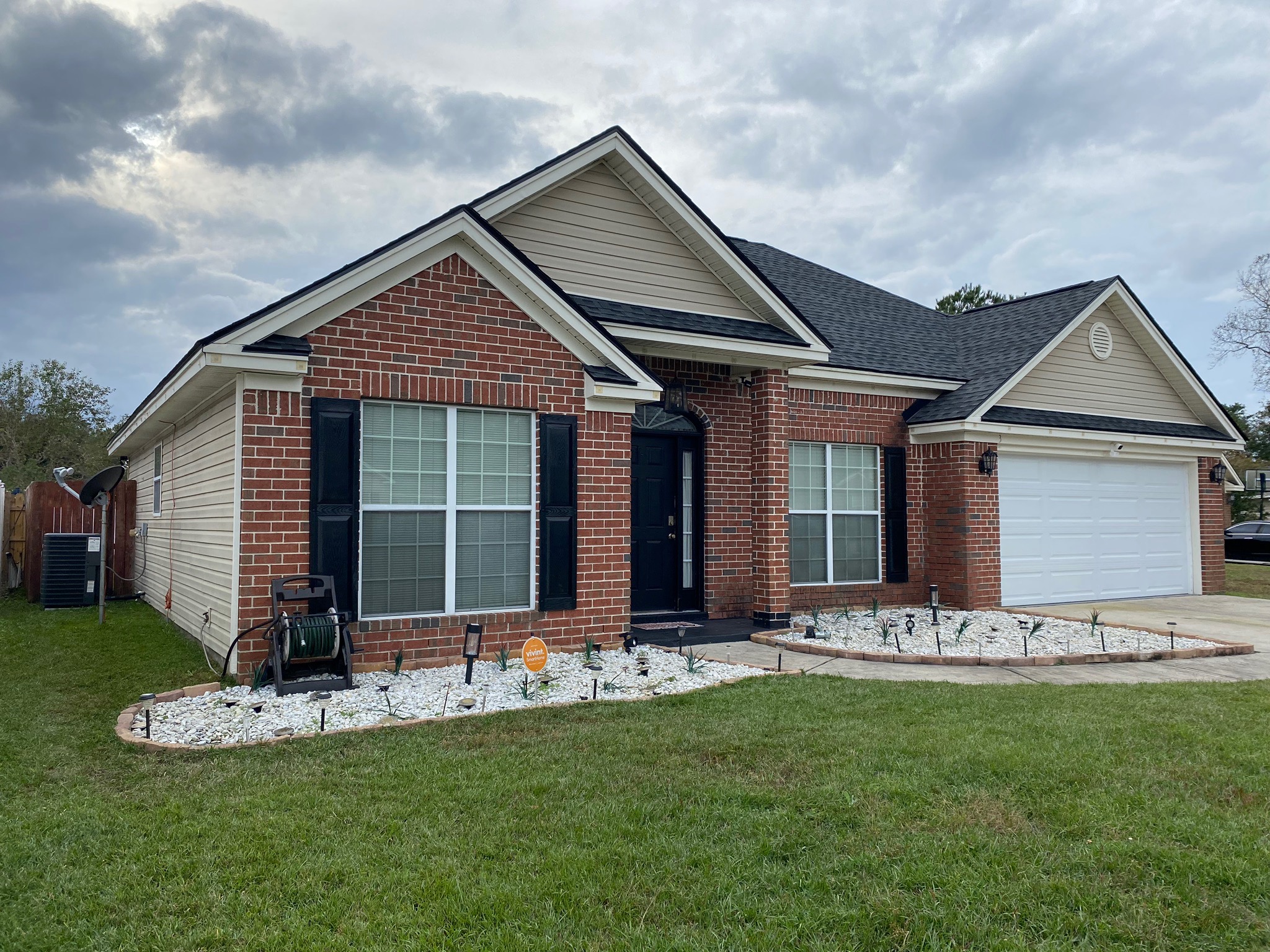
What You Are Looking At
Brazen Roofing has completed more than 4,387 roofs since 2021, currently running around 750 to 800 a year across twelve markets. The work shown here is Savannah work: the roofs, the materials and the conditions specific to this market rather than a national stock library.
What a Photograph Cannot Show You
Every finished roof photographs well. That is the honest problem with any gallery: a good roof and a bad roof look identical from the street on the day the dumpster leaves. The difference shows up in year eight, and it is always the same short list, all of it invisible once the job is finished.
- Nail placement. Nails driven above the shingle nailing zone hold the shingle by the tab only. The most common defect in this industry, and it voids most manufacturer warranties.
- Flashing replaced, not reused, at every wall, chimney, skylight and valley.
- Kickout flashing where a roof plane meets a wall: missing it routes water into the wall cavity where nobody sees it for years.
- New pipe boots, not the old ones with fresh sealant on them.
- Matched starter strip and ridge cap, usually a condition of the full manufacturer warranty.
- Balanced ventilation: exhaust matched by soffit intake, or the shingles cook from underneath. See why proper roof ventilation matters.
- A clean site and a nail sweep, every evening.
Every one of those is checked by a Brazen quality-control inspector rather than by the crew that installed the roof. Our installation crews are subcontracted, which is normal at our volume across twelve markets; our inspectors are not. The sign-off comes from someone whose job is to fail a roof that is not right.
What These Roofs Had to Deal With
- Historic district constraints. Complex geometry, dormers, plank decking, tight access on lanes with nowhere to stage, and review requirements that can govern material, color and profile.
- Salt air east of downtown. It attacks fasteners, flashings and vent collars rather than the shingles, and the metal is what holds the roof on.
- Heat and humidity. Sustained heat drives the oils out of asphalt so the shingle stiffens and cracks instead of flexing. Attic ventilation moves that outcome more than the brand of shingle does.
- Live oaks. Shade slows drying and encourages algae streaking, debris dams valleys, and limbs abrade shingles in every storm.
Ask for a Reference, Not Just a Photo
In most of our markets we can point you to recent work nearby and, in many cases, to a homeowner willing to talk about how it went. A roofer who cannot produce a local reference is telling you something worth hearing.
You can also read what our customers say, broken out by market rather than pooled into one flattering average, and see our roofs for work across all twelve markets, or our commercial roof work.
More about us in this market on our Savannah roofing page, or check our service area. When you are ready, a free roof inspection costs nothing and carries no obligation.
Frequently Asked Questions
Yes: every project shown is Brazen Roofing work in the Savannah market, on the roofs and in the conditions specific to the Coastal Empire.
Usually. Ask us and we can point you to recent work nearby, and often to a homeowner willing to talk about how it went. A local reference beats a photograph.
Yes. Those roofs are detail work (complex geometry, plank decking, tight access) and exterior work on a contributing structure may require review covering material, color and profile. Establish that before material is ordered rather than after.
Nail placement, whether flashing was replaced or reused, whether kickout flashing is present where a roof plane meets a wall, whether the starter strip and ridge cap are manufacturer-matched, and whether the attic has enough soffit intake to feed its exhaust.
Architectural shingles on most homes, specified for coastal wind and with algae resistance worth having in this climate. Also metal, tile and slate where the home calls for it, and membranes on low-slope porch and addition roofs.
More than 4,387 since 2021, currently running around 750 to 800 a year across twelve markets, roughly 90 percent residential.