
Our Commercial Roof Work
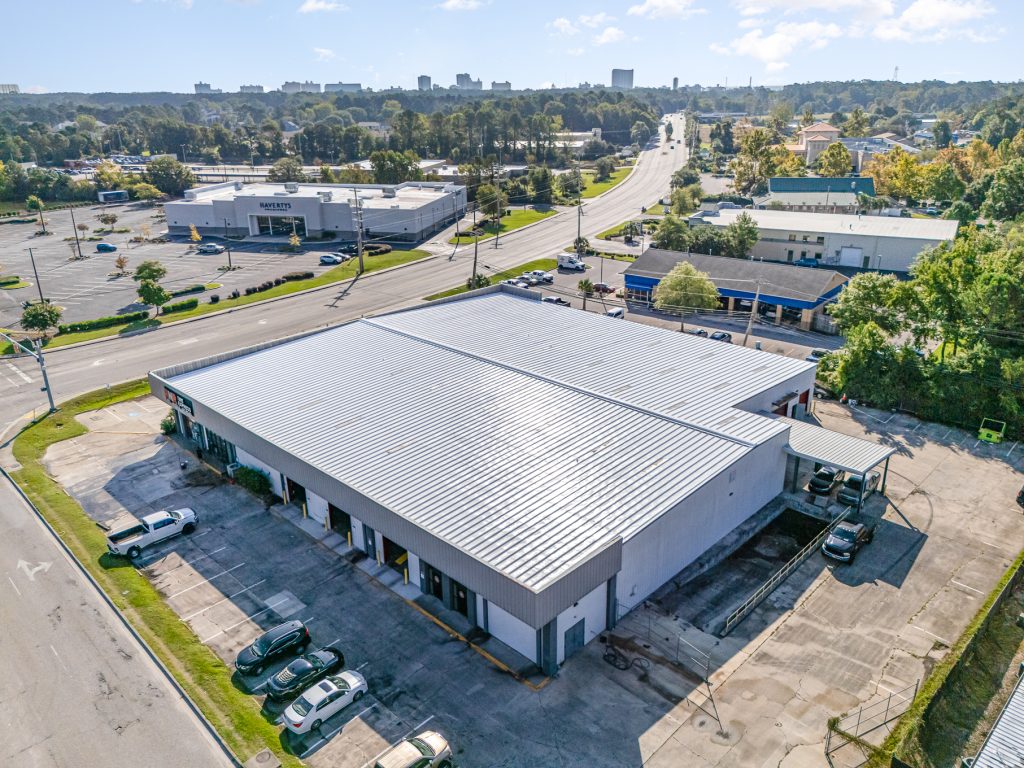
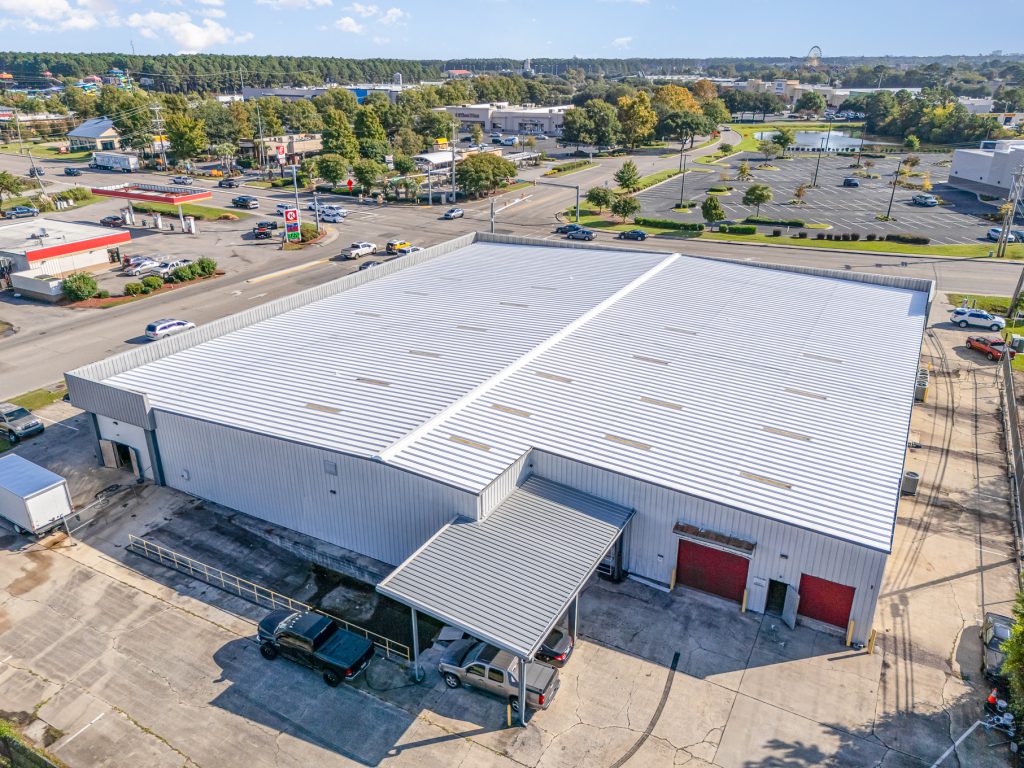
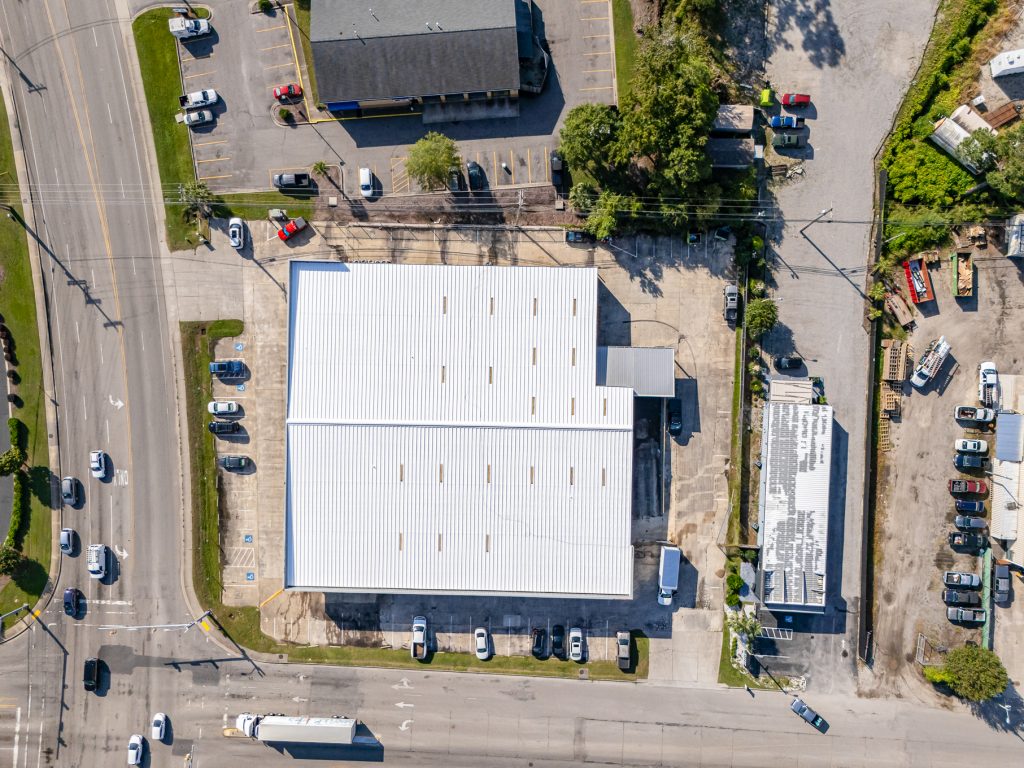
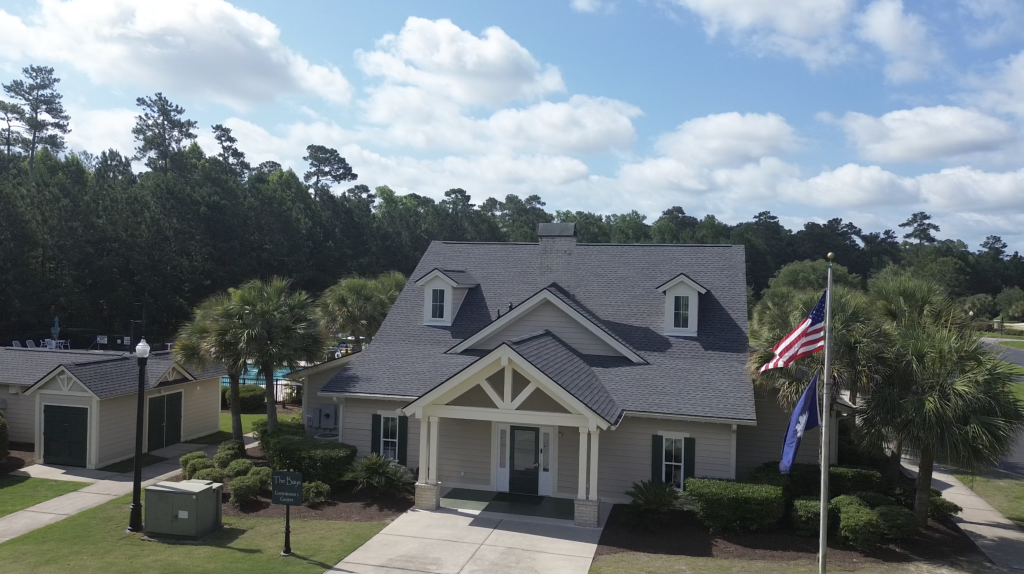
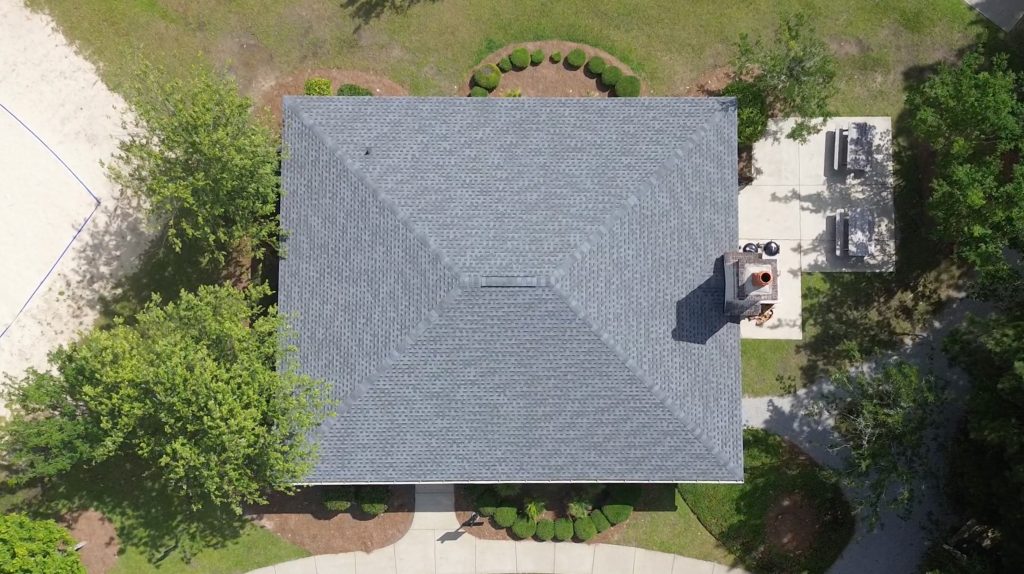
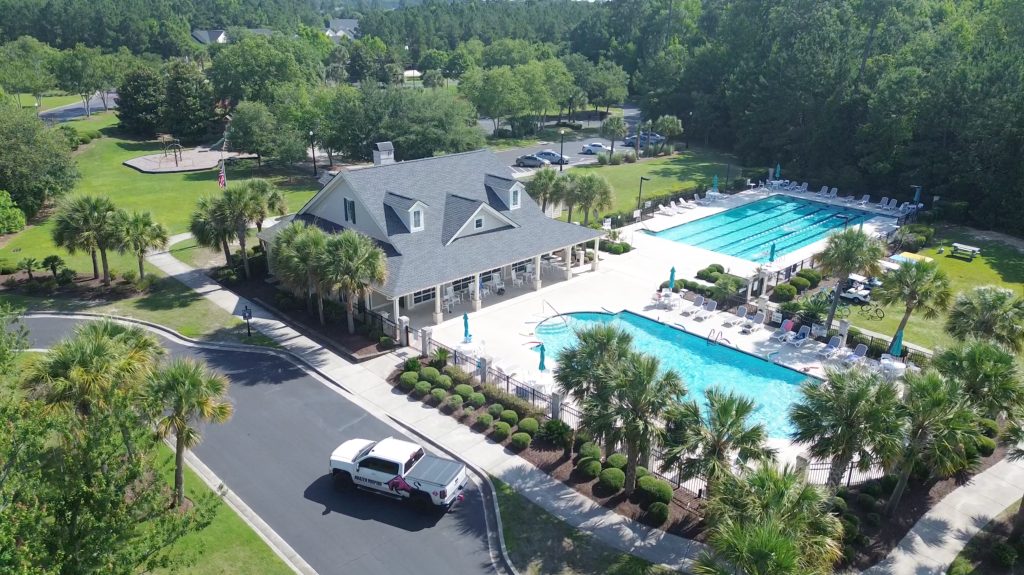
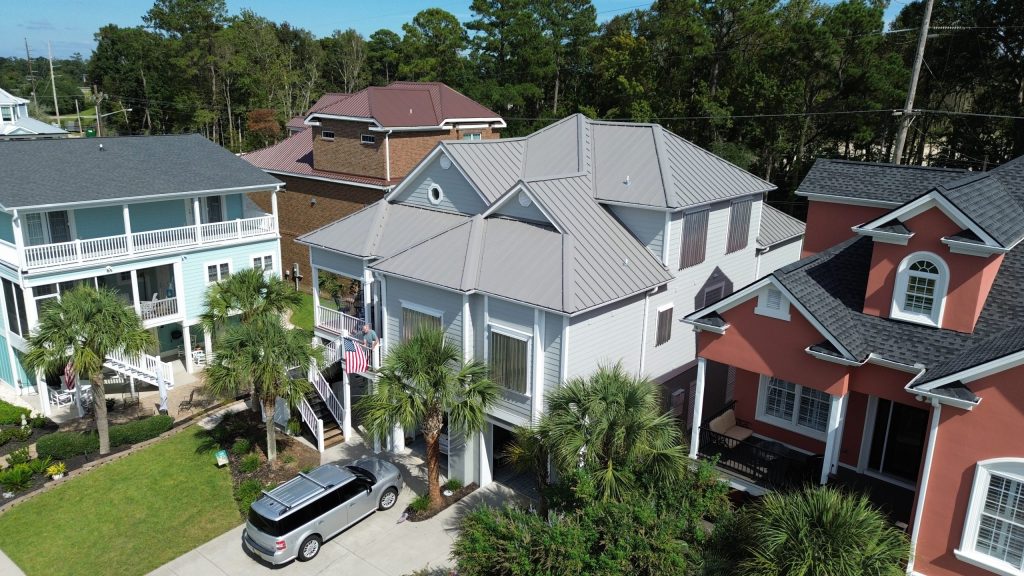
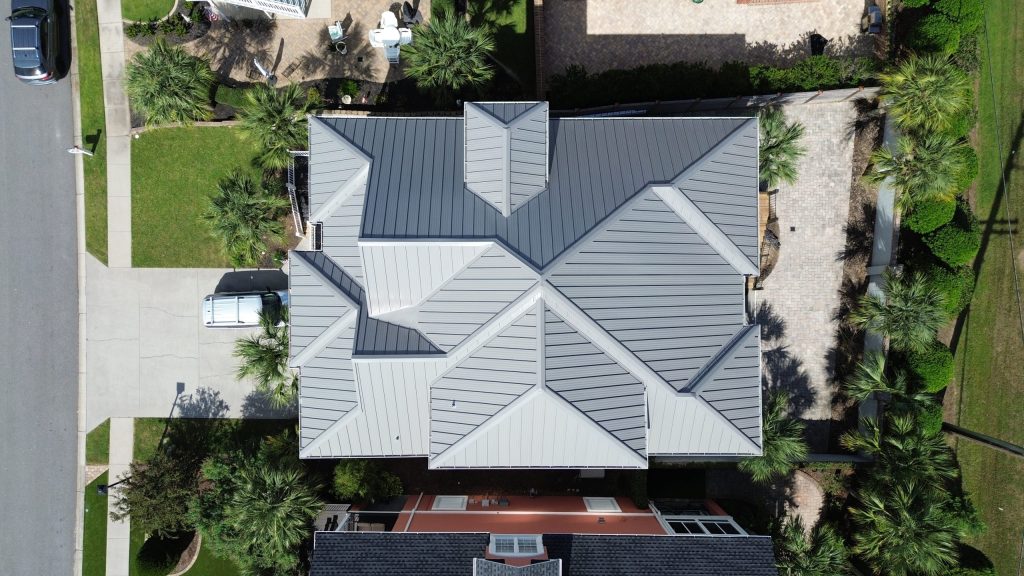
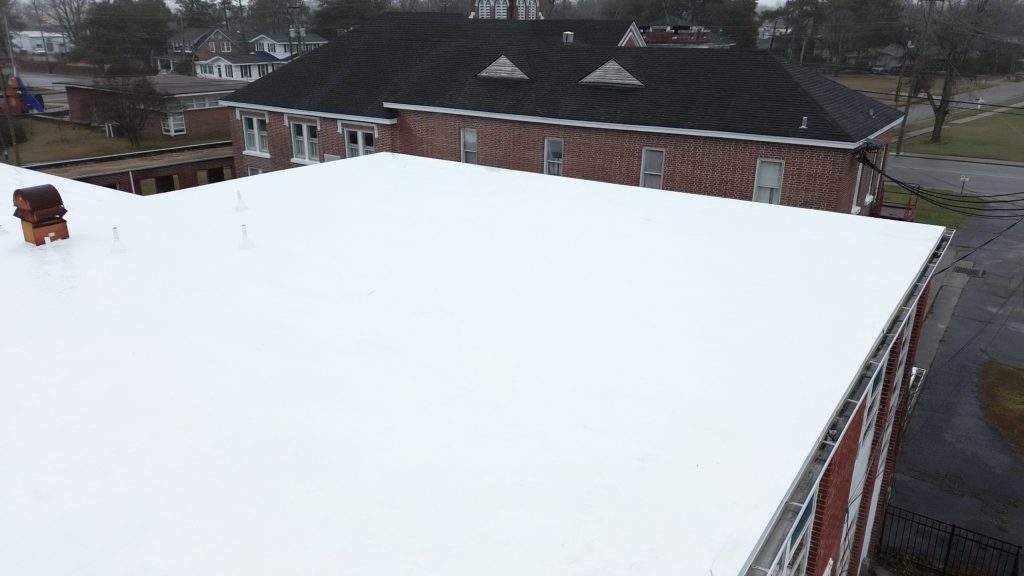
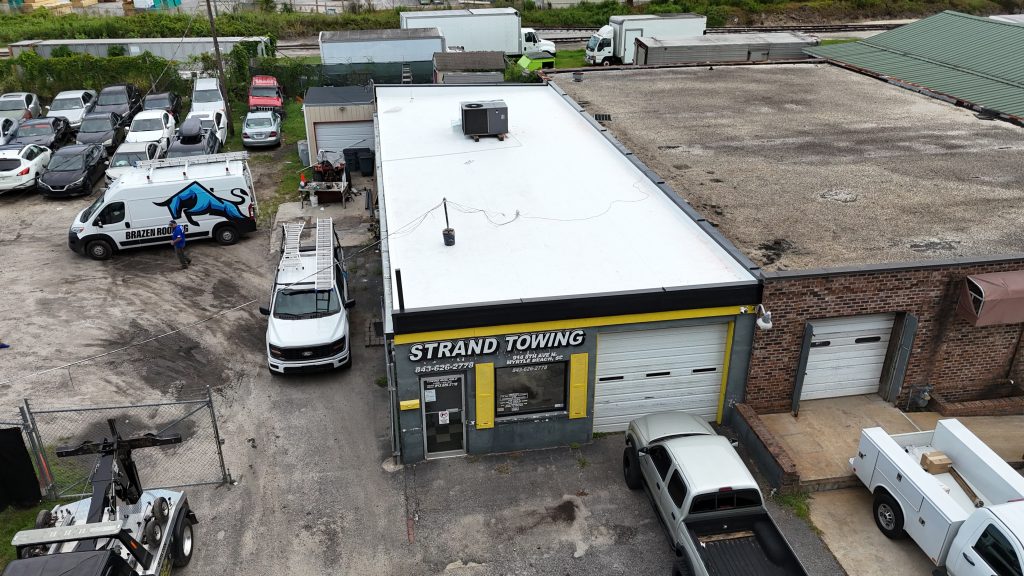
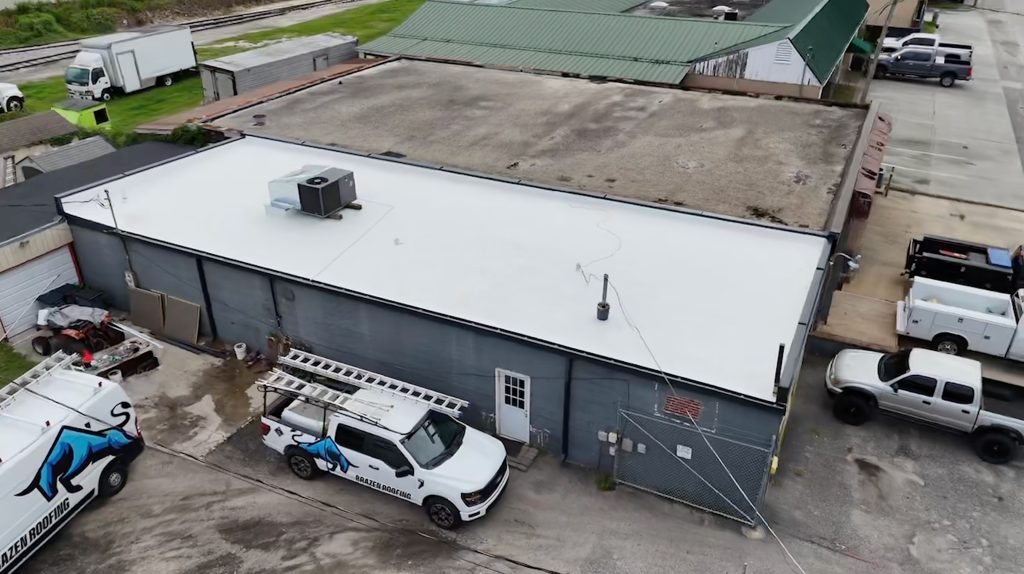
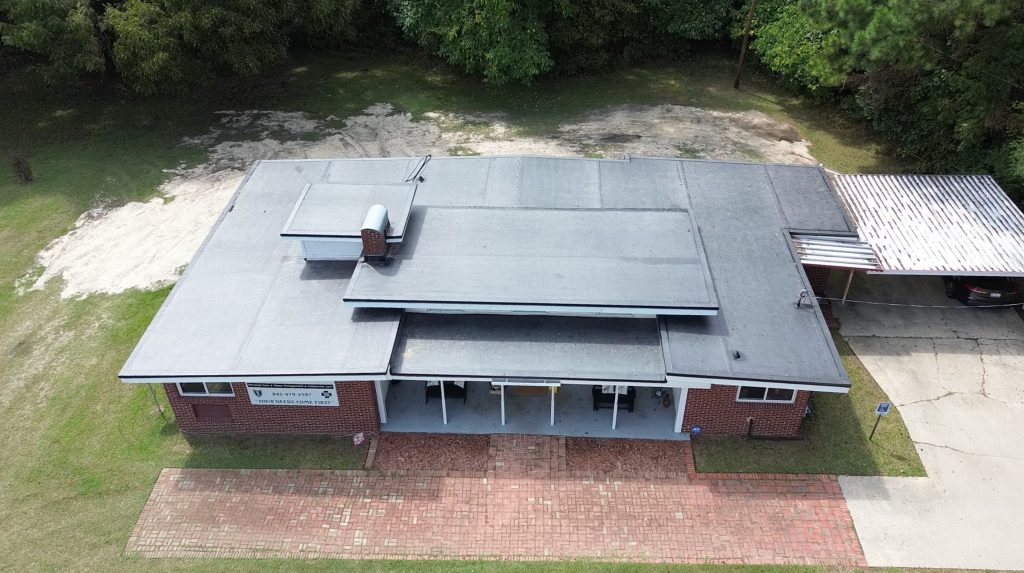
Commercial roofing is judged on results, not brochures. The slider below is our own work: new construction, replacements and restorations across twelve markets, on buildings that stayed open while we worked on them.

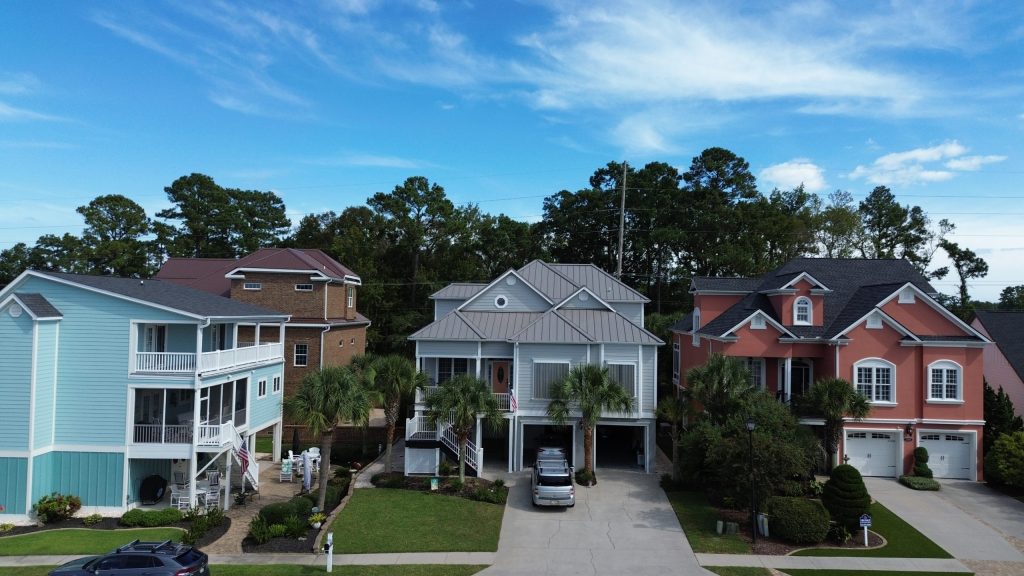
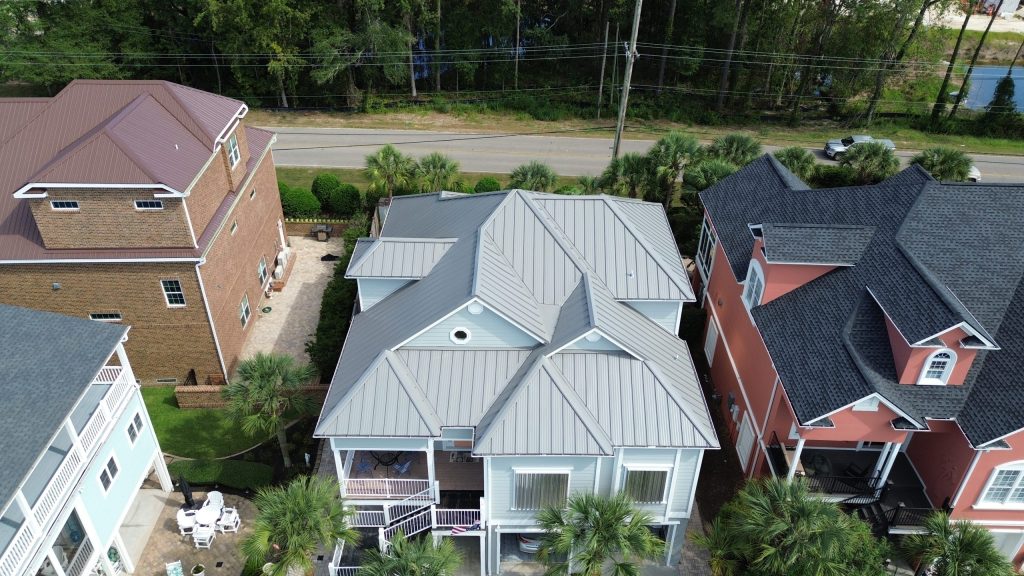
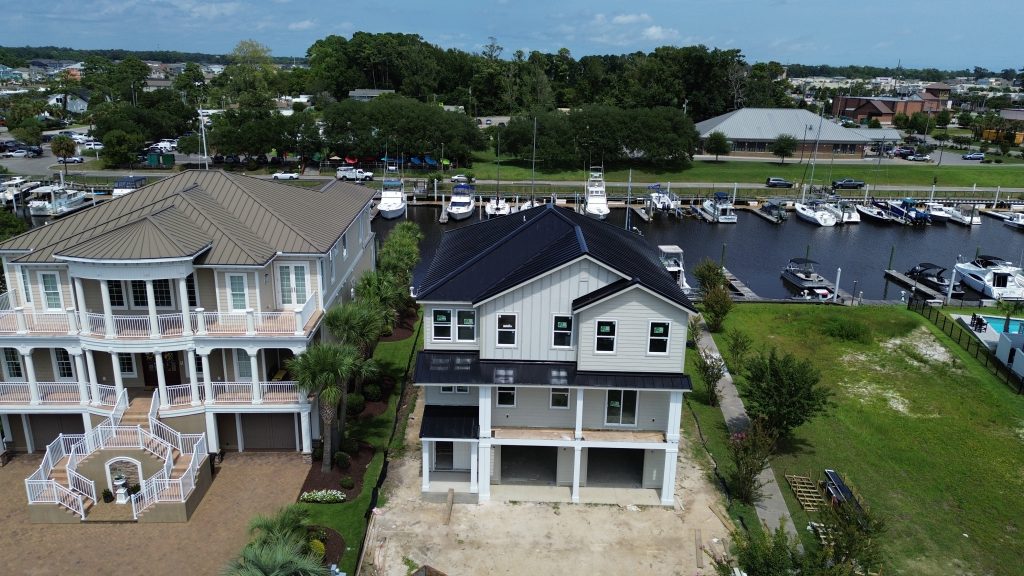
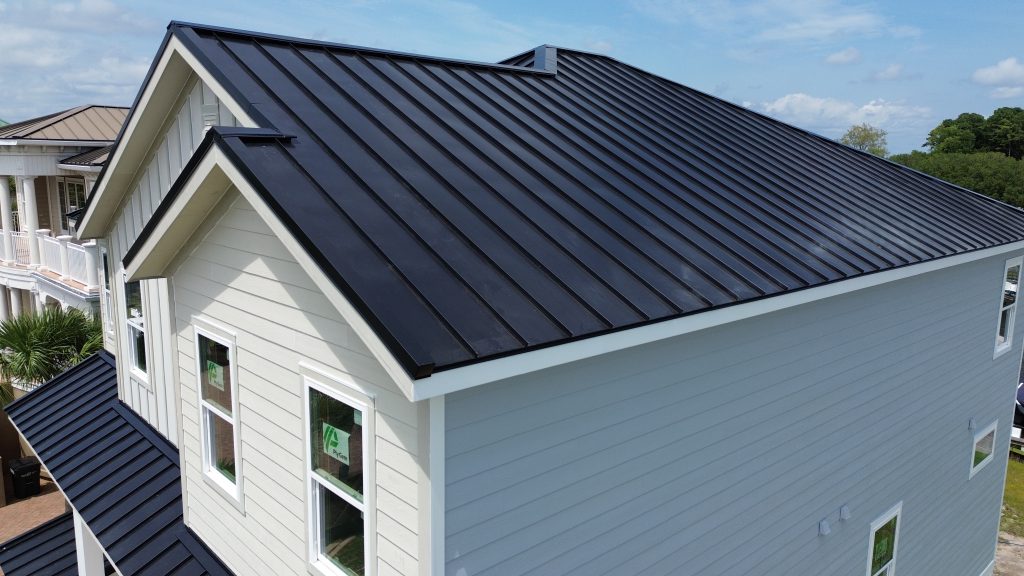
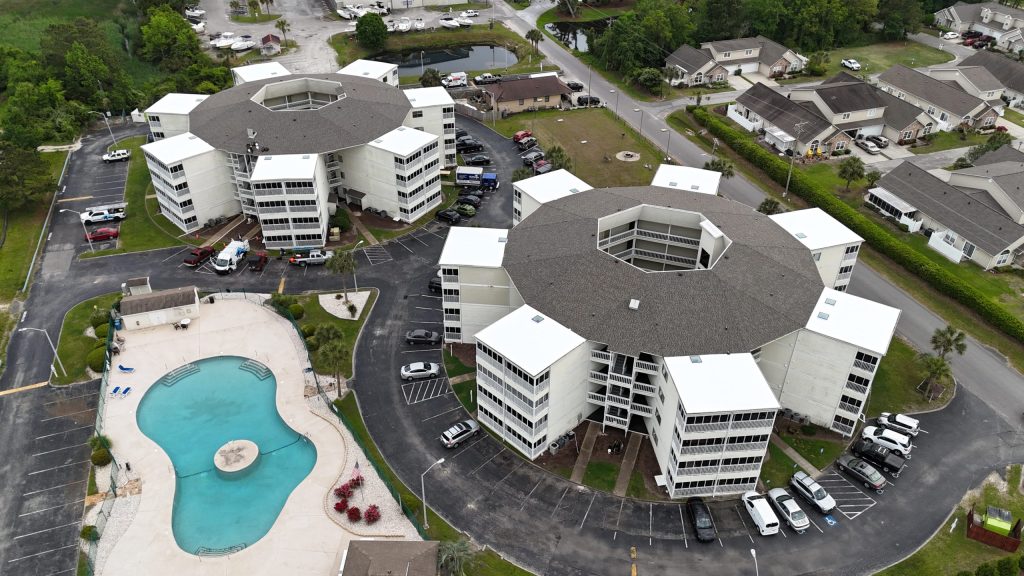
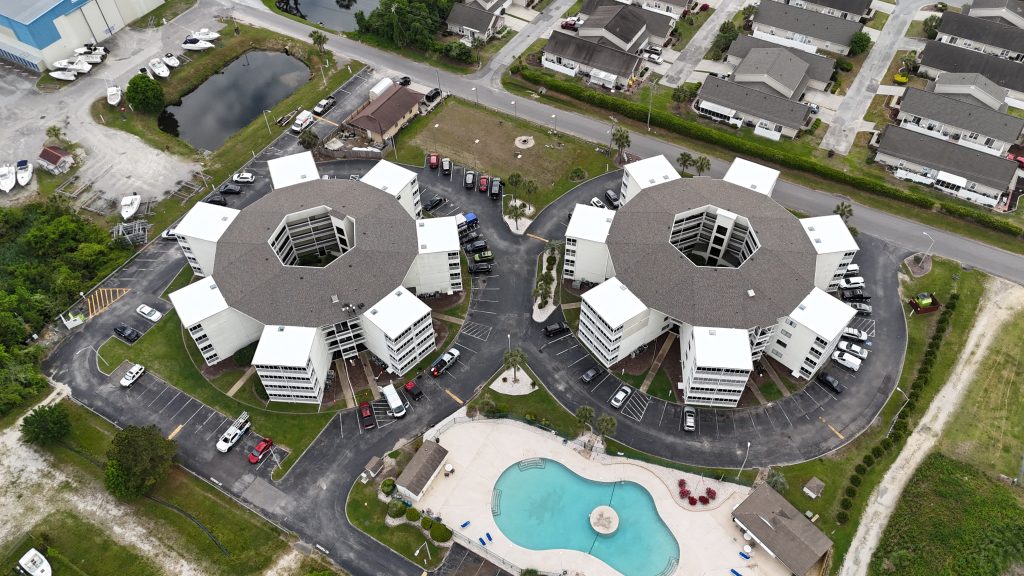
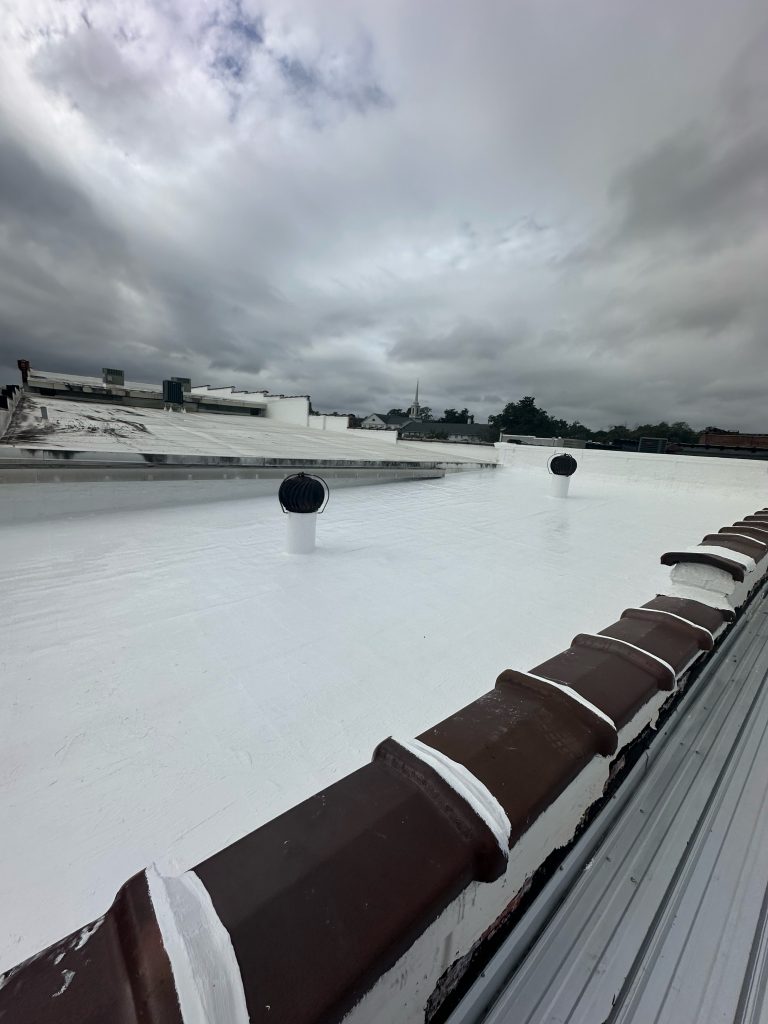
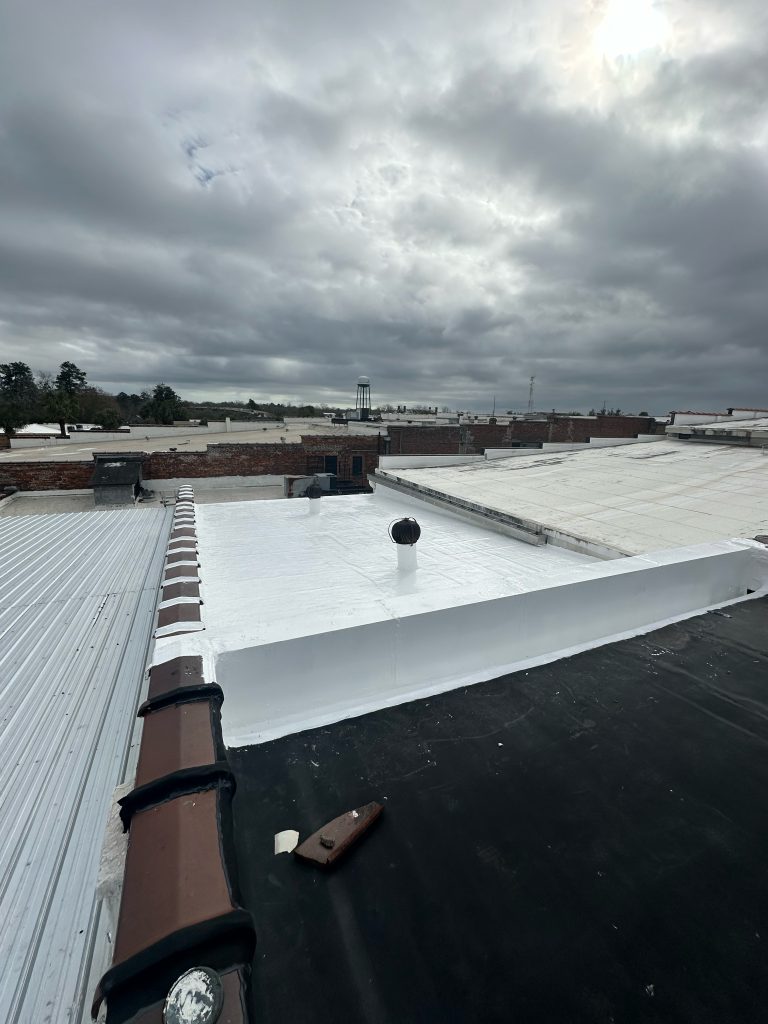
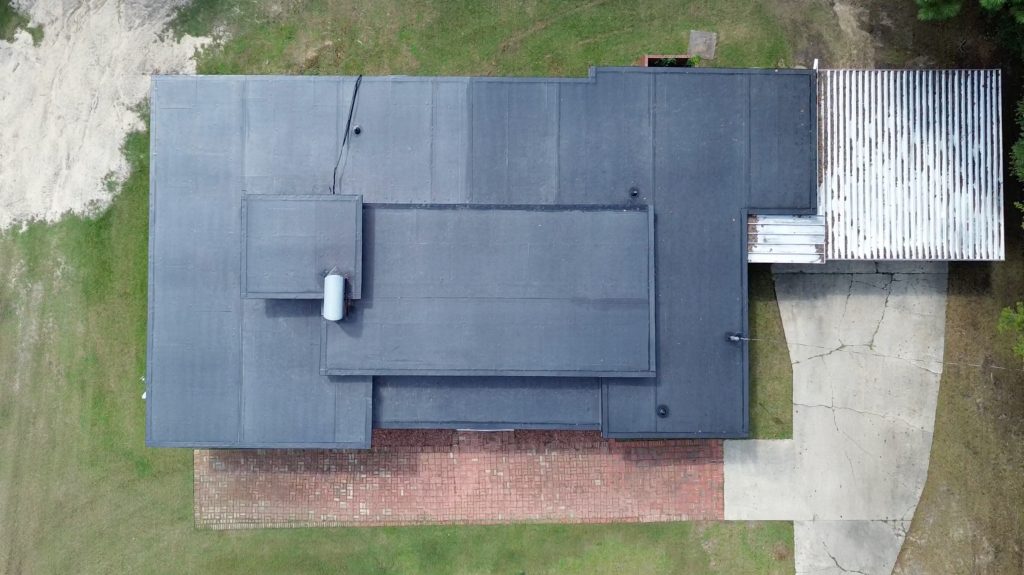
What You Are Looking At
Brazen Roofing has completed more than 4,387 roofs since 2021. Roughly ten percent of that volume is commercial, which sounds small until you consider what commercial square footage looks like next to residential. The projects in this gallery span retail, office, warehouse, industrial, multifamily and hospitality buildings.
The systems vary because the buildings do, TPO and PVC single-ply, EPDM, modified bitumen, standing seam and PBR metal, and liquid-applied restorations where the existing roof was worth saving.
The Kinds of Projects We Take On
- New construction. Working to a general contractor’s schedule, dried in early so the trades behind us can proceed. See commercial new construction.
- Full replacement on an occupied building. The most common commercial job we do, and the one where sequencing matters more than roofing. See commercial roof replacement.
- Restoration and coatings. Where the membrane is sound and the insulation is dry, a coating system buys another service cycle at roughly half the cost of replacement.
- Repairs and leak diagnosis. Finding the actual source rather than sealing the stain. See commercial repairs.
- Multifamily and HOA. Where the specification is shared and the scheduling is the hard part. See multifamily and HOA roofing.
- Ongoing maintenance. Scheduled inspection and documentation, which is what most manufacturer warranties actually require. See preventative maintenance.
What Does Not Show Up in a Photograph
Every roof in this gallery looks finished, which is the problem with roofing photography, a good roof and a bad roof look identical from the parking lot on day one. The difference shows up in year seven.
So it is worth naming what is underneath these: core samples taken before the scope was written, so nobody discovered wet insulation halfway through. Tear-off held to what could be made watertight the same day. Deck damage photographed and priced rather than covered over. Edge metal and perimeter attachment engineered for the wind zone, because that is where wind failures start. And a final inspection by Brazen’s own quality-control staff rather than by the crew that did the work.
That last one is the part we would ask you to compare. Our installation crews are subcontracted, which is normal at our volume across twelve markets; our inspectors are not. The sign-off comes from someone whose job is to fail a roof that is not right.
Where These Projects Are
Commercial work across all twelve markets: Myrtle Beach, Charleston, Savannah, Raleigh, Jacksonville, Denver and Parker, Oklahoma City, Springfield, Milwaukee, Columbus, Wichita and Knoxville. Full list on our service area page.
Want a Reference Rather Than a Photograph?
Ask. In most of our markets we can point you to a completed commercial project nearby and, in many cases, to a building owner or property manager willing to talk about how it went. A contractor who cannot produce a local commercial reference is telling you something worth hearing.
You can also read what our customers say, broken out by market rather than pooled into one number.
See how we’ve put this expertise to work on New Construction projects. This gallery is part of our full Commercial Roofing line, and you can start a conversation with a free roof inspection or read about our commercial roofing installation process.
Frequently Asked Questions
Retail, office, warehouse, industrial, multifamily and hospitality, on both new construction and replacement. Roughly ten percent of our volume is commercial, out of more than 4,387 roofs completed since 2021.
Usually, yes. Ask us and in most of our twelve markets we can point you to a nearby completed project, and often to a building owner or property manager willing to discuss it.
TPO, PVC, EPDM, modified bitumen, standing seam metal and PBR panels, plus liquid-applied and coating restorations where the existing membrane is sound and the insulation is dry.
Our installation crews are subcontracted, which is standard at our volume across twelve markets. Our quality-control inspectors are Brazen staff, and the final sign-off comes from them rather than from the crew that performed the work.
Yes, and that is the normal case. Work is sequenced so no more roof is open than can be made watertight the same day, with staging, deliveries and work hours agreed before mobilization.
Start with an inspection. On commercial roofs that generally includes core samples and a moisture survey rather than a visual walk, because whether the insulation underneath is dry decides whether you are looking at a restoration or a replacement.