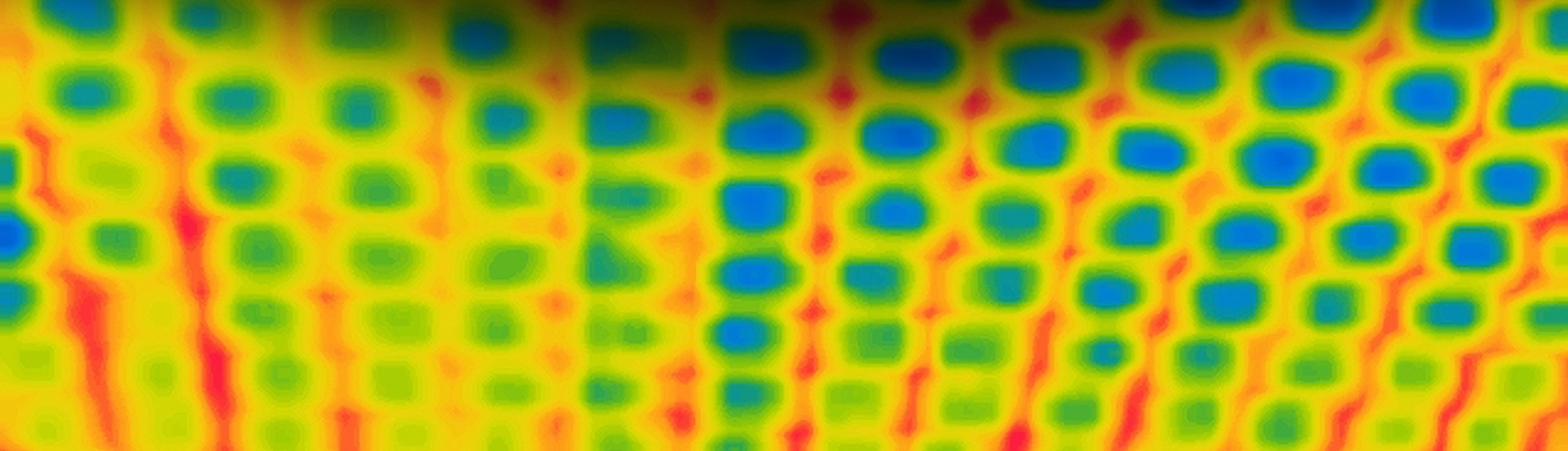
Infrared Scans
Not all damage shows up on the surface. Just because your commercial roof looks fine doesn’t mean it’s not holding moisture, developing weak spots, or breaking down from the inside out. That’s where infrared scans come in, and that’s where we come in.
At Brazen Roofing, we offer commercial infrared roof scans to help you catch hidden issues before they turn into expensive problems. Using advanced thermal imaging technology, we can detect trapped moisture, insulation gaps, and heat loss that traditional inspections might miss.
Where Infrared Scanning Is Most Useful
Infrared scanning is especially useful for:
- Flat and low-slope commercial roofing systems
- Identifying hidden leaks and water intrusion
- Pinpointing areas of saturated insulation
- Verifying roof performance without destructive testing
- Building a smart plan for repair, restoration, or replacement
Whether you’re managing a roof that’s showing signs of trouble or just want a deeper look at its condition, infrared scans give you the insights you need to make smart decisions. Our team will take the time to explain what you’re looking at, what it means, and what steps make sense next.
When you’re responsible for protecting a commercial building, small issues don’t stay small for long. An infrared scan is one of the smartest ways to get ahead of damage, protect your investment, and plan your budget with confidence.
Want to see what your roof’s really made of? Let’s start with an infrared scan and go from there!
Infrared scan findings often lead directly into our Commercial Repairs service. This is part of our full Commercial Roofing line.
How an Infrared Roof Scan Works
The physics is simple. Wet insulation holds heat longer than dry insulation. After the sun goes off the roof, the saturated areas cool more slowly, and a thermal camera sees that difference as clearly as you see a stain on a ceiling.
That has two practical consequences. First, the scan shows the true extent of the water, not the extent of the visible damage: and the wet area is almost always larger than anyone expects. Second, timing matters: the scan is run during the cooling window after sunset, when the temperature differential is strongest. A scan run at the wrong time of day tells you very little, which is worth knowing if someone offers you one at eleven in the morning.
What the Scan Answers That a Walkthrough Cannot
- How much of the roof is actually wet. This is the number that decides repair versus restoration versus replacement, and it is invisible from the surface.
- Whether a coating is even an option. Coating over saturated insulation seals the water in and lets the deck keep deteriorating out of sight. It looks like a solved problem for about three years. See roof coatings.
- Where a leak is actually entering. Water travels along steel deck flutes and can surface far from the breach. The thermal map traces the path.
- Whether last year’s repair worked. A scan after a repair verifies the area has dried rather than assuming it has.
- What to budget, and when. Twenty percent wet is a phased repair plan. Sixty percent wet is a capital project. Knowing which one you have this year rather than next changes your budget cycle.
We confirm the thermal findings with targeted investigation and core samples where warranted: the scan tells us where to look, and the core tells us what is there.
When to Scan
- Before you buy or lease a building. Roof condition is one of the largest deferred-liability items in commercial real estate, and a scan is cheap next to what it can find.
- Before committing to a coating or restoration. Non-negotiable, in our view. This is the single most valuable use of the technology.
- After a storm or hail event. To separate cosmetic damage from moisture already in the assembly. See storm restoration.
- When you have a leak you cannot find. The classic case, and the reason most people call.
- As part of a maintenance program on a roof in the second half of its life, so deterioration is tracked rather than discovered.
- Before the warranty period ends. Finding a problem while coverage is still in force is a very different conversation from finding it afterward.
Non-Destructive, and Why That Matters
An infrared scan verifies roof performance without cutting the roof open. On a warrantied roof that is not a small thing: unnecessary test cuts can complicate coverage, and every cut is a patch that has to be made watertight again. We take cores where the scan says a core is worth taking, and nowhere else.
You get the thermal imagery and a plain-language explanation of it. Our team will take the time to explain what you are looking at, what it means, and what steps make sense next, because a thermal image with no interpretation is just an orange picture.
Systems and Markets
Scanning works on flat and low-slope commercial assemblies: TPO, PVC, EPDM, modified bitumen, built-up and spray foam. It is less useful on ballasted roofs and on metal, where moisture behaves differently.
We scan across all eleven of our markets, including Myrtle Beach, Savannah, Raleigh, Jacksonville and Denver and Parker. Full list on our service area page.
Infrared scan findings feed directly into our commercial repair and maintenance work, and into whether a replacement is warranted. This service is part of our full Commercial Roofing line.
Frequently Asked Questions
Wet insulation retains heat longer than dry insulation. After the sun leaves the roof, saturated areas cool more slowly, and a thermal camera reads that temperature difference. The scan shows the full extent of the moisture rather than just the part that has stained a ceiling.
No, and that is the point. Infrared scanning verifies roof performance without destructive testing. We take core samples only where the thermal image indicates one is worth taking, which protects both the roof and any warranty in force.
During the cooling window after sunset, when the temperature differential between wet and dry areas is strongest. A scan run in the middle of the morning produces very little useful data, worth asking about if someone offers you one.
Yes. This is the most valuable use of a scan. Coating over saturated insulation traps the water, the deck underneath keeps deteriorating, and the problem stays hidden for a few years before it becomes a much larger one.
It works well on flat and low-slope assemblies: TPO, PVC, EPDM, modified bitumen, built-up and spray foam. It is less informative on ballasted roofs and on metal roofs, where moisture and heat behave differently.
The thermal imagery, a map of where moisture is present and how far it has spread, and a plain-language explanation of what it means for repair, restoration or replacement, along with what it means for your budget and timing.