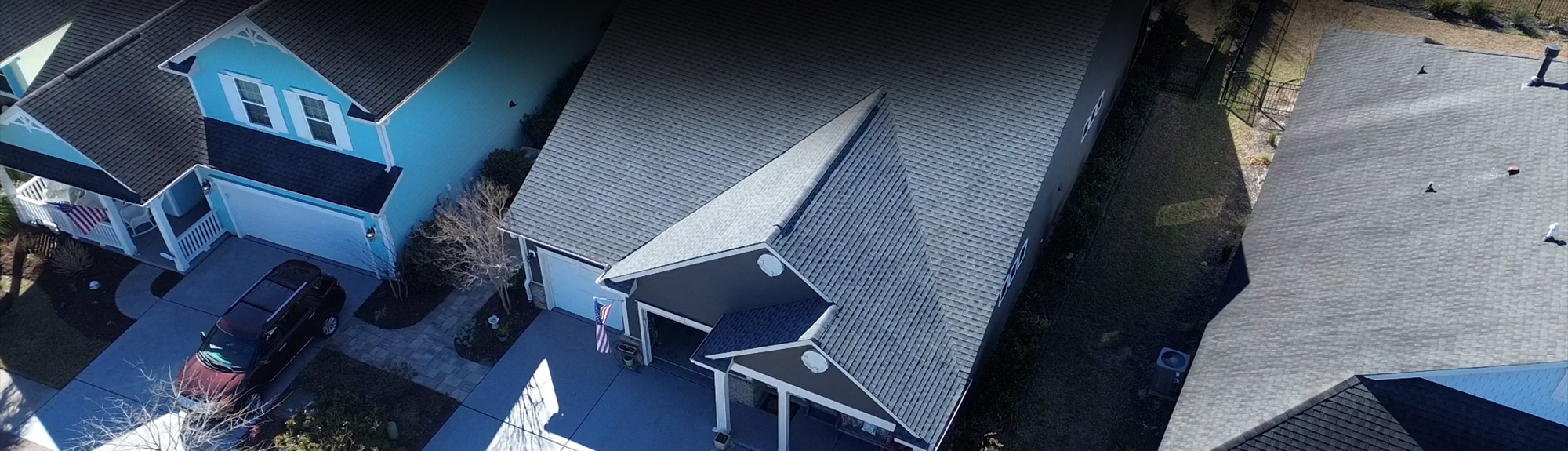
South Carolina Safe Home Program
Strengthen Your Roof. Reduce Storm Risk. Offset the Cost.
South Carolina Safe Home is a grant program designed to help homeowners in eligible coastal areas reduce wind damage by reinforcing their roof system. If you qualify, you may receive between $4,000 and $7,500 toward specific roof-hardening improvements that help your home stand up better during severe weather.
As an approved contractor, Brazen Roofing completes all required upgrades to exact program standards and handles the process with careful documentation every step of the way.
Who Qualifies for the SC Safe Home Program?
To be eligible, homeowners must meet all of the following requirements:
- You must have owned the home for at least one year
- You must live in the home as your primary residence
- The home cannot be a mobile home or duplex
- The home must be located in one of the following eligible South Carolina counties:
Beaufort, Berkeley, Charleston, Colleton, Dorchester, Florence, Georgetown, Horry, Jasper, Marion, and Williamsburg - The home must not have existing roof or structural damage
Eligibility is verified through the program’s review process and an initial wind inspection.
How Much Grant Funding Is Available?
Eligible homeowners may receive $4,000 to $7,500 in grant funding.
The exact amount is based on:
- Household income
- The scope of approved mitigation work completed
Before grant approval, the homeowner is responsible for a required wind inspection, which typically costs $150–$250. In many cases, homeowners may also see a reduction in their insurance premium after the work is completed.
What Work Is Required?
The Safe Home Program focuses on strengthening the roof system from the deck up. All work must follow strict specifications set by the program.
When completing a Safe Home project, our scope of work typically includes:
- Renailing the entire roof deck using a specific nail type and required nail spacing pattern
- Taping all roof deck seams to improve wind resistance and water protection
- Installing drip edge using an approved fastening pattern and roofing cement
- Applying underlayment with a precise fastening schedule required by the program
- Bracing all gable ends over 4 feet to reduce wind uplift
- Covering gable vents as required by mitigation standards
- Extensive photo documentation of every phase of the project
- Approximately 200 detailed photos, including measurements, fastening patterns, and close-ups
Every detail matters, and nothing can be skipped or altered without jeopardizing approval.
Our Role as an Approved Contractor
Brazen Roofing’s role goes beyond installation. We ensure every part of the project meets program standards from start to finish, including:
- Performing the work exactly to Safe Home specifications
- Coordinating inspections and compliance requirements
- Capturing thorough documentation for submission and verification
- Helping guide homeowners through what to expect at each stage
This program is highly detailed and documentation-driven, and experience matters. Our team understands what inspectors look for and how to complete the work correctly the first time.
Is the South Carolina Safe Home Program Right for You?
If your home is located in an eligible coastal area and meets the basic requirements, this program can be a powerful way to improve your roof’s performance while offsetting a large portion of the cost.
A strengthened roof doesn’t just help during storms, it can also provide long-term peace of mind and potential insurance savings.
If you’d like help determining whether your home may qualify, our team is happy to walk you through the next steps and explain the process clearly.
This program is part of our full Residential Roofing service line, and is available to eligible homeowners in our Charleston and Myrtle Beach service areas.
Related roofing work in South Carolina
The wind-mitigation work this program is built around overlaps with several things we do as standard. Worth reading alongside it:
- Underlayment: the secondary water barrier behind the shingles, and a common element of mitigation work.
- Drip edge and starter strip, the perimeter components that decide whether a roof resists wind uplift.
- Fastening patterns: nail count and placement are central to wind resistance, and high nailing undermines it invisibly.
- Roof replacement and a free roof inspection to establish what your roof needs.
- Myrtle Beach and Charleston, our two South Carolina markets.
If you are weighing this against an insurance route after storm damage, storm restoration and insurance-funded versus self-funded replacement cover that side.
South Carolina Safe Home questions
A state grant program intended to help South Carolina homeowners strengthen their homes against storm and wind damage, including roof mitigation work. The program is administered by the state, so eligibility rules, funding levels and application requirements come from them rather than from us.
Eligibility is set by the program and depends on factors including the property, its location and the type of work proposed. Because those criteria are defined and periodically updated by the state, confirm your own eligibility directly with the program before planning work around it.
Grant amounts are set by the program and can change between funding cycles, so we would rather point you to the current figures than quote a number that may be out of date. Check with the program directly.
Programs of this kind typically require work to be carried out by a contractor approved under the scheme. We work with South Carolina homeowners on this type of mitigation work, and the program itself can confirm current approval requirements.
Wind mitigation improvements can affect premiums, and some South Carolina insurers offer credits for qualifying work. Whether that applies to your policy is a question for your agent rather than for us, but it is worth asking before you decide.
Often the mitigation work is part of a replacement rather than separate from it, since fastening, underlayment and edge detailing are all elements of how a new roof is installed. A written inspection is the sensible starting point either way.