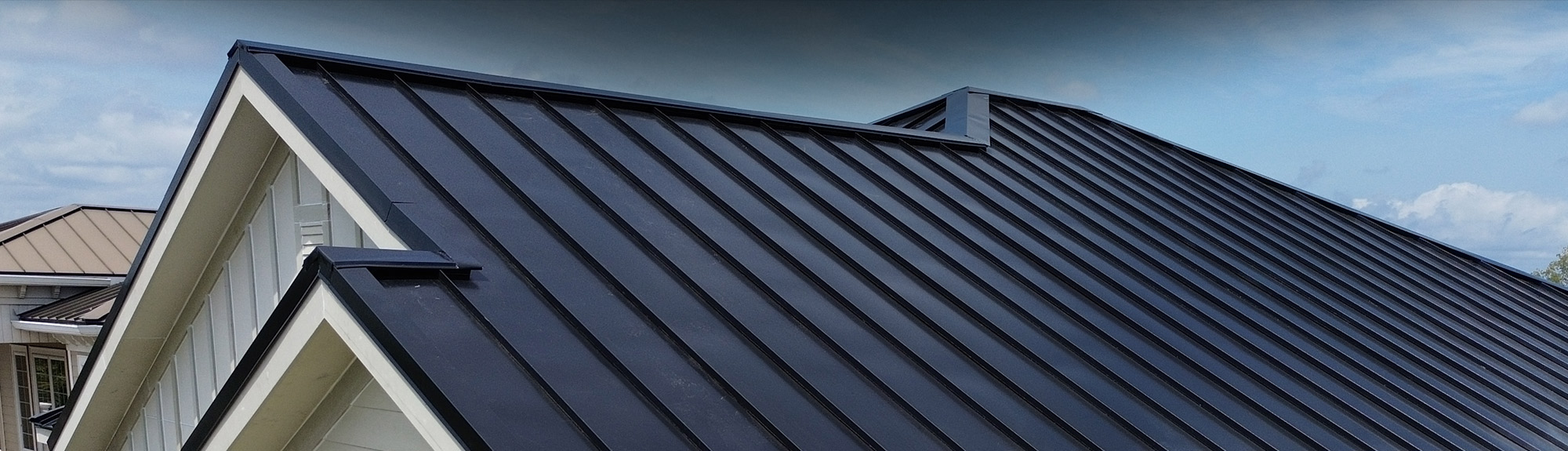
Residential New Construction
When you’re building a new home, the roof is one of the most important parts of the project. It protects your investment, sets the look of the house, and needs to be installed right from the start. At Brazen Roofing, we bring the experience and attention to detail needed to get it done right the first time.
We work closely with homebuilders and homeowners to keep projects on schedule and stress-free. From reviewing plans to coordinating installation, our crews make sure your roof is completed on time and built to last.
You’ll have options when it comes to materials, and we’ll help you choose what fits your style, budget, and needs. Whether it’s shingles, metal, or something more custom, our team provides clear guidance and handles the installation with care.
The difference is in the details, straight lines, tight flashing, proper ventilation, and workmanship that holds up against heat, rain, and wind. Every roof we install is built to manufacturer standards, giving you peace of mind from the day you move in.
If you’re building a new home and want a roof you can trust from the very beginning, contact us today to learn more about our residential new construction roofing services.
New builds rely on our Residential Roof Installation expertise. This service is part of our full Residential Roofing line.
What Builders Need From a Roofing Sub
On a new home the roof is a schedule item before it is a product. Dry-in is what lets every interior trade start, and a roofer who misses that date holds up the whole build.
- Plan review before mobilization. Pitch, valleys, dead valleys, cricket requirements, ventilation calculations and how the roof ties into walls, chimneys and adjoining structures. Problems found on paper cost nothing.
- Dry-in on the date you gave us. Not the week of.
- Coordination with the other trades. Plumbing vents, bath and range exhaust, HVAC penetrations, gas flues, solar conduit. Anything that comes through the roof should be flashed by the roofer, not by whoever installed it.
- Punch list closed the first time. With photographs.
- Warranty paperwork registered at closeout, so the homeowner has coverage from day one rather than a form nobody filed.
The Details That Decide Whether the Roof Reaches Its Rated Life
A new roof looks perfect on day one whether it was built well or not. What separates them shows up in year eight, and it is always the same short list.
- Nail placement and count. Nails driven above the nailing zone hold the shingle by the tab only. It is the most common defect in the industry and it voids most manufacturer warranties.
- Ventilation balance. Exhaust needs matching soffit intake. A new house with ridge vent and blocked or insufficient intake bakes its shingles from underneath, and the homeowner loses years off a brand-new roof. This is the single most common thing we correct on other builders’ plans.
- Underlayment. Synthetic, with ice-and-water membrane in valleys and at eaves where warranted.
- Valley construction. Open, closed-cut and woven are not interchangeable, and the right choice depends on pitch and material.
- Drip edge at eaves and rakes. Cheap, frequently skipped, and the difference between water leaving the roof and water running behind the fascia.
- Matched starter strip and ridge cap. Usually required for the full manufacturer warranty.
- Step and kickout flashing at wall intersections. Missing kickout flashing is one of the most destructive omissions in residential construction, it routes water straight into a wall cavity where nobody sees it for years. See kickout flashing.
- Pipe boots. Quality matters more than anyone thinks on a component that costs almost nothing. See roof pipe boots.
Choosing the Material
You will have options, and the right answer depends on the house, the market and how long you plan to own it.
- Architectural and designer shingles, the default on most new homes. Wide color range, real wind ratings, best cost per year of service.
- GAF TimberSteel: a metal roof that installs shingle-style, with Class 4 impact resistance and no maximum wind speed limitation. Strong in hail country and on the coast.
- Standing seam metal: where a clean modern line is the goal, or on low-slope sections.
- Tile: beautiful and heavy. If the house is being framed now, framing for tile is far cheaper than reinforcing for it later.
- Natural slate: the longest-lived roof there is, with the framing and budget implications that go with it.
- Low-slope sections: porches, additions and flat-roofed elements need a membrane, not shingles, and the transition detail is where these leak.
Compare all of them on our roofing types page.
Building for Your Climate
- Coastal South Carolina and Georgia. Wind rating governs. Enhanced nailing patterns and sealed starter courses at eaves and rakes are conditions of the rating, not extras.
- Denver, Parker and Oklahoma City. Hail governs. Class 4 impact-rated materials are worth specifying at build, and many insurers discount for them.
- Jacksonville. Sun, heat and hurricane season. Ventilation and reflectivity both matter.
- Raleigh and Springfield. Mixed exposure with real freeze-thaw cycling, which makes ice-and-water membrane placement a design decision rather than a default.
See our service area for all twelve markets. We also handle commercial new construction for developers and general contractors.
Who You Are Hiring
Brazen Roofing has completed more than 4,387 roofs since 2021, currently running around 750 to 800 a year, roughly 90 percent of it residential. Our installation crews are subcontracted, which is normal at that volume: our quality-control inspectors are Brazen staff, and the sign-off comes from them rather than from the crew that did the work.
On a new build that inspection happens before drywall, before soffit, before anything covers the details. That is the only moment it is worth anything, and it is the reason we can talk about nail placement and intake ventilation with any confidence at all.
After Move-In
Register the warranty and keep the documentation, unregistered manufacturer coverage is the most common avoidable loss in residential roofing. Then leave it alone, except for an annual look. Our roof maintenance program covers scheduled inspection with a dated photo report, which is genuinely useful when you eventually sell. If a storm comes through, start at storm restoration.
New builds rely on our Residential Roofing expertise and our installation standards. Book a free roof inspection on an existing home, or contact us about a build.
Frequently Asked Questions
Yes. We review plans before mobilizing, hit the dry-in date the builder gives us, coordinate with the trades whose work penetrates the roof, and close the punch list with photographs. Warranty paperwork is registered at closeout rather than left with the homeowner to chase.
Ventilation. A house gets a ridge vent for exhaust and not enough soffit intake to feed it, so the attic never moves air and the shingles cook from underneath. The homeowner loses years off a brand-new roof and never knows why. It is the thing we most often correct on other builders’ plans.
Architectural shingles suit most new homes and offer the best cost per year of service. Metal (including GAF TimberSteel, which installs shingle-style) is worth considering in hail country and on the coast. Tile and slate are excellent and heavy, and if the house is being framed now is the only cheap time to plan for them.
If tile is a realistic possibility, yes. A tile roof weighs several times what an asphalt shingle roof weighs, and converting later often requires structural reinforcement. Framing for it during construction costs a fraction of retrofitting for it.
The roofer. Vents, flues, exhaust and conduit flashed by the trade that installed them is a leading cause of leaks on brand-new houses. Coordinate every roof penetration through us regardless of who put the pipe there.
Only if the warranty is registered. Manufacturer coverage on a new roof is conditional on correct installation and, in most cases, on registration being filed. We register it at closeout and hand over the documentation, and it is worth confirming you received it.