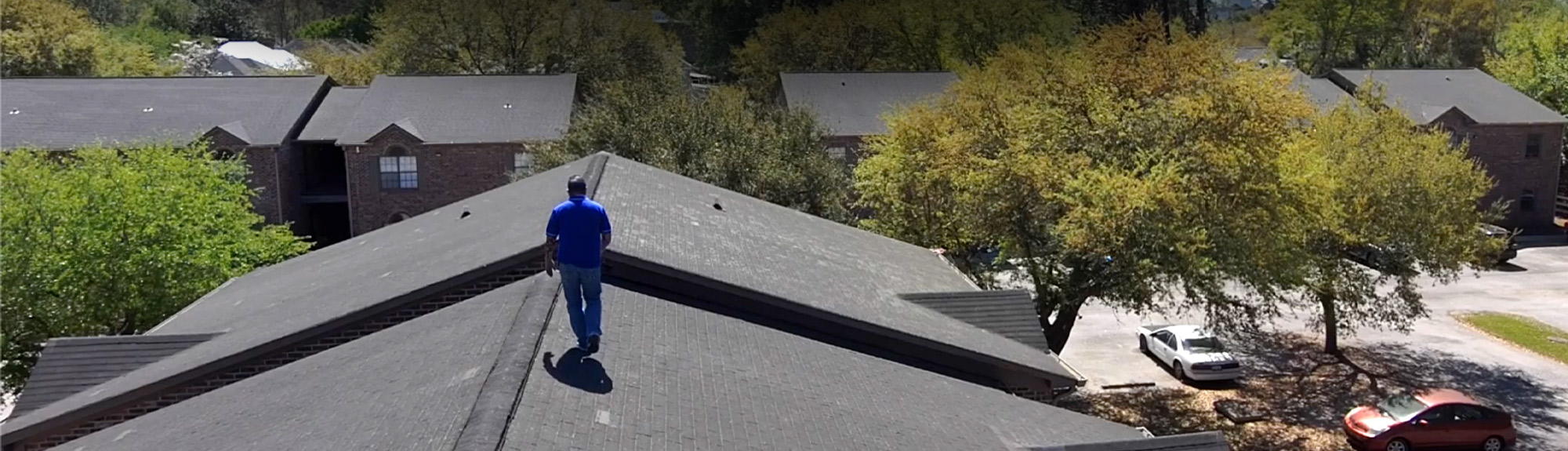
Hurricane Damage Restoration
Myrtle Beach sits in the direct path of Atlantic hurricane season. A roof that looks fine before the storm can hide serious damage afterward. Hurricane damage restoration means a full assessment of wind and water damage. Then we make repairs that hold up the next time a storm rolls through.
After a hurricane or tropical storm, we inspect your roof for lifted or missing shingles and damaged flashing. We also check for water intrusion that you can’t always see from the ground. We document everything for your insurance claim. Then we prioritize emergency repairs like tarping and leak stops. This keeps your home protected while we plan the full repair.
We’ve restored roofs across Myrtle Beach after every major storm to hit the Grand Strand in recent years. That experience helps us tell the difference between cosmetic damage and a truly compromised roof. It also means faster, more accurate repairs when you need them most.
- Emergency tarping and leak stops to protect your home right away
- Full wind and water damage assessment with insurance documentation
- Local Myrtle Beach experience restoring roofs after major storms
Storm damage to your roof? Contact Brazen Roofing for emergency hurricane damage restoration.
Storm damage can affect any part of your property. Learn more about our full Storm Restoration services, or check whether you’re in our Myrtle Beach service area. You can also explore our Residential Roof Replacement and Commercial Flat Roofing services in Myrtle Beach.
What to Do in the First 48 Hours
The order matters, and most of the expensive mistakes happen in the first two days.
- Stay off the roof. Wet, storm-damaged roofing is genuinely dangerous, and walking it can turn a repairable roof into a bigger claim.
- Photograph everything from the ground and from inside. Interior stains, ceiling bulges, wet insulation, debris in the yard. Time-stamped photos are evidence.
- Get temporary protection on it. Tarping and leak stops stop the interior damage accumulating while the permanent repair is planned.
- Call for an assessment before you call the adjuster, if you can. Knowing what is actually wrong changes the conversation.
- Do not sign anything a door-knocker hands you. Particularly not an assignment of benefits or a contract with no price on it.
- Save damaged materials. Shingles in the yard, torn flashing, a bent vent. Adjusters ask.
Cosmetic Damage or a Compromised Roof?
This is the judgment that decides everything, and it is the reason local experience matters more here than anywhere else in roofing. A roof can look untouched from the street and be finished. Another can lose a dozen shingles and be fundamentally sound.
- Lifted shingles that resealed. Wind can break the seal strip without displacing the shingle. It looks normal and it will blow off in the next storm. Found by hand, not by camera.
- Creased shingles. A crease across the mat is a permanent failure line even when the shingle is still in place.
- Granule loss in drifts. Piles of granules in gutters and at downspouts after a storm means the surface took a beating.
- Damaged or displaced flashing. At walls, chimneys, skylights and valleys. Where the water actually gets in.
- Lifted edge metal and ridge cap. Where wind damage starts and where it hides.
- Wet decking and insulation. Often the only evidence, and only visible from inside the attic.
We inspect for all of it and document it, then tell you plainly which category your roof is in, including when the answer is that it is fine and you do not need us.
Hurricane Season on the Grand Strand
Atlantic hurricane season runs 1 June to 30 November, with peak exposure for the Grand Strand in late August and September. Myrtle Beach’s particular pattern is that direct landfalls are relatively rare and consequential wind and rain events are not, a storm tracking well offshore can still deliver sustained wind and days of rain along Horry County.
That has a practical implication for roofs here. The damage is usually cumulative rather than catastrophic: each storm breaks a few more seal strips, lifts a little more edge metal, works another flashing loose. Roofs on the Grand Strand rarely fail in one event. They fail in the fourth one, and by then the connection to any single storm is hard to document. Which is the argument for having it looked at after each one.
Salt air is the quiet second factor. It attacks fasteners, flashings and rooftop metal continuously, so a coastal roof that has been through several storms has often lost strength in the connections rather than the shingles.
The Insurance Side
We document the damage properly: photographs, measurements, a written assessment and moisture findings. That documentation is what a claim turns on, and the claims we see settle cleanly are almost always the ones assessed in the first week rather than the third month.
Two things worth knowing about coastal South Carolina policies specifically. Many carry a separate named-storm or wind-and-hail deductible, often calculated as a percentage of the dwelling coverage rather than a flat figure: which can be a much larger number than homeowners expect. And most policies distinguish wind damage from flood damage, with flood generally excluded unless separately covered. Read your own policy, or ask your agent to walk you through those two clauses before you need them.
We do not adjust claims and we will not tell you what your policy covers. We assess the roof, document what we find, and give you the written record. See what to do if you experience storm damage and how to check for roof damage after a hurricane.
Storm Chasers Show Up After Every Storm
They arrive within days, work out of a truck with an out-of-state plate, offer to “handle the insurance,” and are gone before the warranty means anything. Some do adequate work. Many do not, and there is no one to call in year three.
- Ask where the company’s local office is, and go look at it.
- Ask for South Carolina licensing and insurance, and verify it rather than accepting a photocopy.
- Ask for local references from this county, not testimonials from another state.
- Do not pay a large deposit before work starts.
- Do not sign a contract with no price, or one that assigns your insurance benefits to the contractor.
- Be suspicious of anyone offering to cover your deductible. That is not generosity, and in most states it is not legal.
Brazen Roofing has been roofing the Grand Strand since 2021 and has completed more than 4,387 roofs since. Our Myrtle Beach reviews are the largest body of feedback we have anywhere, read them on our testimonials page, broken out by market rather than pooled.
Preventing the Next One
The work that holds up in a hurricane is not exotic. Enhanced nailing patterns, sealed starter courses at eaves and rakes, properly fastened edge metal, replaced flashing rather than reused flashing, and correct pipe boots. Read hurricane preparation tips for your roof before the season, and why proper roof ventilation matters for the part that governs how long the roof lasts between storms.
If the roof has reached the end of its life, a replacement built to current wind standards is the durable answer, and financing is available. An annual pre-season inspection through our roof maintenance program gives you a documented before-condition, which is worth a great deal the next time you file a claim.
Frequently Asked Questions
As soon as it is safe. Damage documented in the first week supports a claim far better than the same damage documented months later, and temporary tarping stops the interior damage from compounding while the permanent repair is planned.
Yes, and this is the most common situation we find. Wind can break a shingle’s seal strip without moving the shingle, so the roof looks untouched and the shingles come off in the next storm. Creased shingles, lifted edge metal and displaced flashing are also very hard to see from the ground.
That depends on your policy, and two clauses matter most on the coast: many South Carolina policies carry a separate named-storm or wind-and-hail deductible calculated as a percentage of dwelling coverage, and most separate wind damage from flood damage. Ask your agent to walk you through both. We document the damage; the coverage determination is between you and your carrier.
Yes. Emergency tarping and leak stops go on first so the home stops taking damage, then the full repair is planned and done properly rather than in the rain.
Verify a local office you can visit, check South Carolina licensing and insurance yourself, ask for references from Horry County specifically, refuse large upfront deposits, and never sign a contract with no price or one that assigns your insurance benefits to the contractor. Anyone offering to cover your deductible is a red flag.
It depends on how much of the roof is compromised and how much life it had left. Isolated damage on a roof with years remaining is a repair. Widespread seal failure, creasing across multiple planes, or damage on a roof already near the end of its service life is a replacement, and we will tell you which one you have.