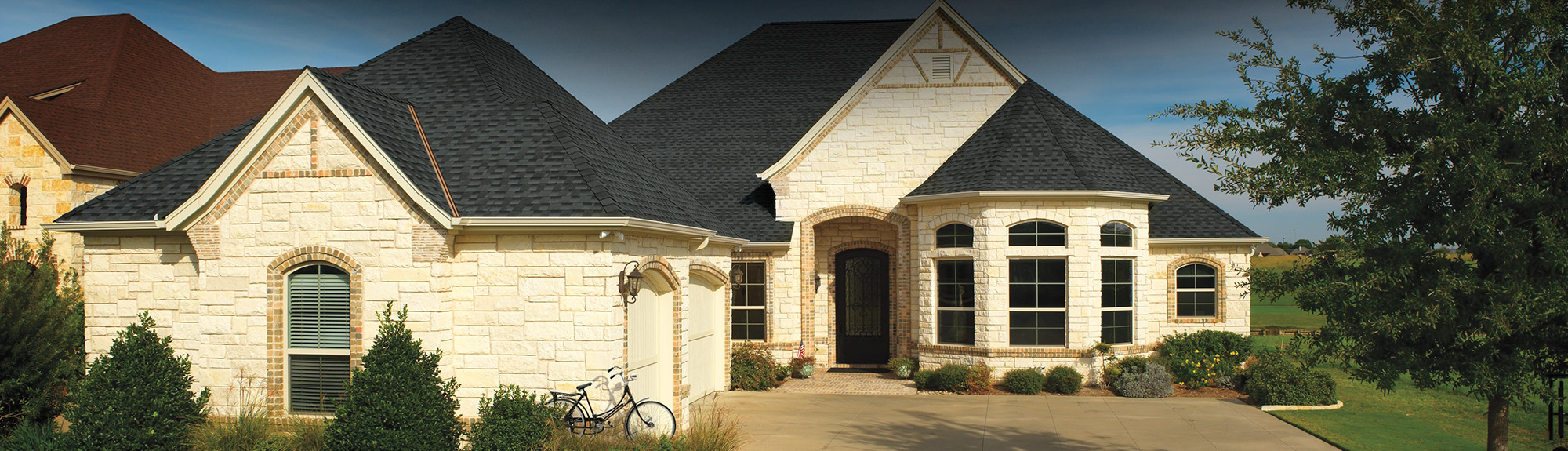
Residential Roof Installation
Residential roof installation is a big job, and it’s one that you want done right. That’s why we only work with the best roofing experts in the business. Our team has the experience and knowledge to get the job done quickly and efficiently, without cutting corners.
We’re also licensed and insured, so you can rest assured that your new residential roof is in good hands. We’re dedicated to your satisfaction and will work hard to ensure that you’re happy with your new roof. Contact Brazen Roofing to get started on your residential roof installation project!
Whether you need a Roof Replacement or are working on Residential New Construction, our installation team delivers. This service is part of our full Residential Roofing line.
What Separates a Good Installation From a Bad One
This is the whole subject of this page, because installation, not material, is what decides whether a roof reaches its rated life. Almost every premature failure we are called to inspect is an installation problem on a perfectly good product.
These are the things that matter, in roughly the order they matter, and every one of them is invisible from the ground once the job is finished:
- Nail placement. Every shingle has a nailing zone, usually a narrow band marked on the shingle itself. Nails driven above it hold the shingle by the tab only, which means wind can peel it. It is the most common defect in this industry and it voids most manufacturer warranties. There is no way to see it after the next course goes down.
- Nail count and pattern. Four nails is standard; most shingles reach their rated wind speed only with a six-nail enhanced pattern. That pattern is a condition of the rating, not an upgrade, and it is a quiet place for a lower bid to save money.
- Underlayment. Synthetic rather than felt, with an ice-and-water leak barrier in valleys and at eaves where the climate warrants it.
- Flashing replaced, not reused. At every wall, chimney, skylight and valley. Reused flashing is the cheapest possible saving and the most expensive eventual leak.
- Kickout flashing where a roof plane meets a wall. Missing it routes water into the wall cavity instead of the gutter, and nobody sees the damage for years.
- Matched starter strip and ridge cap. Manufacturer-matched accessories, usually a condition of full warranty coverage. Cut-up three-tab used as starter is not the same product.
- Drip edge at eaves and rakes. Inexpensive, frequently skipped, and the difference between water leaving the roof and water running behind the fascia.
- New pipe boots, not the old ones with a fresh bead of sealant.
- Balanced ventilation. Exhaust matched by adequate soffit intake. See below.
Ventilation Is the One Almost Everyone Gets Wrong
A roof needs to breathe, and breathing requires both an intake and an exhaust. Ridge vent is exhaust. Soffit vents are intake. Install the first without enough of the second and the attic does not move air at all, it simply pulls conditioned air out of your house.
The consequences are expensive and slow. Shingles cook from underneath in summer and lose years off their rated life. Moisture condenses on the sheathing in winter. Upstairs rooms will not cool. And most manufacturers make adequate ventilation a condition of warranty coverage, so a claim can be denied over it.
We calculate intake against exhaust before we install anything, and if the intake is short we correct it during the installation, when access is open and the cost is a fraction of what it becomes later. See why proper roof ventilation matters and roof ventilation in South Carolina.
“Licensed and Insured”, and How to Actually Check
We are licensed and insured, and we would rather you verified that than took our word for it. Every roofer says it; a meaningful number cannot prove it. Four things to ask any contractor bidding on your roof, including us:
- General liability insurance. Ask for a certificate of insurance sent directly from the insurer or agent, not a PDF from the contractor. Confirm it is current.
- Workers’ compensation. This is the one that matters most to you. If an uninsured worker is hurt on your roof, the exposure can land on your homeowner’s policy.
- State or municipal licensing, checked against the issuing authority’s own records rather than a photocopy.
- A local address you can visit. Particularly after a storm, when out-of-state crews arrive within days and leave before any warranty means anything.
Also worth knowing: never pay a large deposit before work starts, never sign a contract with no price on it, and be suspicious of anyone offering to cover your insurance deductible. This matters most right after a storm, when out-of-state crews are working the neighborhood.
Who Is Actually on Your Roof
We will be direct about this, because most companies are not. Our installation crews are subcontracted. That is standard practice at our volume (more than 4,387 roofs since 2021 across twelve markets) and almost certainly true of several competitors who imply otherwise.
What is different is the inspection. Our quality-control inspectors are Brazen employees, and every roof is signed off by one of them rather than by the crew that installed it. The person checking nail placement has no stake in how fast the job went. That separation is the entire mechanism, and it is worth asking any roofer you are considering: who inspects the work, and do they report to the person who did it?
Installation on a New Build vs. a Replacement
- New construction. Open deck, no tear-off, and the roof is a schedule item: dry-in is what lets every interior trade start. Coordination with plumbing, HVAC and electrical penetrations is the critical part. See residential new construction.
- Replacement. Tear-off, deck inspection and repair, and correcting whatever the previous roof got wrong, usually the ventilation and the flashing. See roof replacement.
Either way the standards are identical, and either way you should get the warranty registered rather than left as a form nobody filed. Many of our installations use the GAF Roofing System, and our overview of GAF roofing warranties explains how coverage tiers differ.
Materials We Install
No matter what you are looking for: architectural and designer shingles, metal including GAF TimberSteel, tile, slate, and membrane systems on low-slope sections such as porches, additions and flat dormers. Compare them on our roofing types page.
Whether you need a Roof Replacement or are working on Residential New Construction, our installation team delivers. This service is part of our full Residential Roofing line. Start with a free roof inspection, and see financing if timing is the constraint.
Frequently Asked Questions
Nail placement. Every shingle has a marked nailing zone, and nails driven above it hold the shingle by the tab only, which lets wind peel it off. It voids most manufacturer warranties, it is the most common defect in the industry, and it is impossible to see once the next course is installed.
Largely you cannot, from the ground, which is why the questions to ask are about process rather than appearance. Was the enhanced nailing pattern used? Was the flashing replaced or reused? Is there kickout flashing where the roof meets a wall? Are the starter strip and ridge cap manufacturer-matched? Was attic intake ventilation checked against the exhaust?
Because exhaust without adequate intake does not move air: it pulls conditioned air out of the house instead. The shingles then cook from underneath in summer and moisture condenses on the sheathing in winter, and you lose years off a brand-new roof. Most manufacturers also make adequate ventilation a condition of warranty coverage.
Ask for the certificate of insurance direct from the insurer or agent rather than from the contractor, confirm workers’ compensation is current, and check licensing against the issuing authority’s own records instead of a photocopy. Workers’ comp matters most to you, an uninsured injury on your roof can end up as your exposure.
Our installation crews are subcontracted, which is standard at our volume across twelve markets. Our quality-control inspectors are Brazen employees, and every roof is signed off by one of them rather than by the crew that installed it, so the person checking the work has no stake in how fast it went.
Yes, at every wall, chimney, skylight and valley. Reusing old flashing is one of the cheapest ways to shave a bid and one of the most reliable sources of a leak two or three years later. Ask specifically whether flashing is included as new in your estimate.